The Essential Fall Plumbing Inspection Checklist for Outdoor Tankless Systems

Preparing Your Plumbing Before the Cold Weather Hits
October has finally arrived in Southern California, and while the daytime temperatures are still warm, now is the perfect time to start your fall plumbing inspection checklist before the weather truly turns. At The Water Heater Company, our team has spent years serving the Van Nuys area, and we've seen firsthand how mid-fall (October) pre-winter prep is often overlooked in milder climates. This leads many homeowners to assume their exterior plumbing is completely safe from seasonal damage. However, the shift in seasons brings a specific set of challenges for outdoor plumbing components that have been baking in the summer sun for months.
Exterior-mounted fixtures, particularly outdoor water heating systems, are uniquely vulnerable to the sudden temperature drops that occur late in the year. Knowing exactly which maintenance tasks you can handle safely on your own, and which ones require our expert intervention, is the key to protecting your investment. This foundational guide will help you navigate the season with confidence, ensuring your system is ready for the colder months ahead.
When you need professional help preparing your system for the season, reaching out to a top-rated water heater company in Los Angeles ensures your exterior plumbing is fully protected and optimized for winter.
The Hidden Risks of Mild Autumn Weather
It is incredibly easy to develop a false sense of security when the autumn weather feels perfectly comfortable. General plumbing checklists often assume you live in a deep-freeze or heavy snow climate, which means they miss the unique microclimate risks associated with Southern California.
The Threat of the Microclimate
In our daily work across the San Fernando Valley and Van Nuys, our technicians constantly encounter a hidden danger: drastic temperature swings. You might experience a beautiful, mild afternoon in the upper 70s, only for the temperature to plummet rapidly into the 40s or lower overnight. These sudden, sharp drops in temperature create significant thermal stress on exposed pipes and exterior plumbing components.
Understanding Thermal Shock
A pattern we see often is that when metal and plastic components expand in the daytime heat and contract rapidly in the cold night air, they experience thermal shock. Over time, this constant expansion and contraction can weaken pipe joints, degrade rubber seals, and cause brittle plastic components to crack. Preparation during the fall is all about preventing this sudden thermal shock to delicate system parts.
Common signs of thermal stress include:
- Weeping joints: Small amounts of moisture gathering around pipe connections in the early morning.
- Cracked insulation: Foam pipe wrapping that has become brittle and split open.
- Stiff valves: Shut-off handles that become unusually difficult to turn due to internal seal degradation.
Why Exterior Water Heaters Require Special Attention
We often tell our customers that modern exterior-mounted tankless systems are engineering marvels, but they interact with the environment very differently than a standard basement or garage tank. Because they live outside, they face the elements 24 hours a day, 365 days a year.
How Internal Freeze Protection Works
Unlike a large tank of hot water that naturally resists freezing due to its sheer thermal mass, a tankless unit holds very little water. To prevent the internal copper heat exchangers from freezing and bursting, exterior units rely on built-in freeze protection systems. These are essentially small ceramic heaters inside the unit that activate automatically when the ambient temperature drops near freezing. However, this critical system must have active, uninterrupted electrical power to function. If the power is out, or if the unit is unplugged, the freeze protection cannot save the internal pipes.
Vulnerable Exterior Components
We always warn our customers that even with internal freeze protection, the pipes leading into and out of the unit remain exposed. The cold water inlet, the hot water outlet, and the specialized isolation valves are highly vulnerable to sudden cold snaps. If these external pipes freeze, the ice can expand and push back into the unit, causing catastrophic damage.
Manufacturer warranties are very strict about these vulnerabilities. Most require documented annual maintenance before peak winter heating demand to keep the warranty valid. If you notice any unusual behavior or visible wear during your visual checks, having our team handle your water heater repair in Glendale or your surrounding local area can prevent a minor issue from becoming a major winter emergency.
Comparing System Vulnerabilities
| Feature / Risk Factor | Traditional Indoor Tank | Exterior-Mounted Tankless |
|---|---|---|
| Freezing Risk | Very low (protected by home insulation and thermal mass) | High (exposed to ambient air and overnight temperature drops) |
| Freeze Protection Method | Passive (ambient room temperature) | Active (requires continuous electrical power to function) |
| Vulnerable Connections | Protected indoor plumbing lines | Exposed exterior isolation valves and inlet/outlet pipes |
| Maintenance Timing | Flexible, though annual flushing is recommended | Strictly required pre-winter to ensure heater elements work |
Your Safe DIY Fall Plumbing Inspection Checklist
Handling your mid-fall (October) pre-winter prep means knowing exactly what you can safely evaluate on your own. In our experience, this checklist should focus strictly on visual inspections and simple exterior tasks that do not require opening the unit's cabinet or handling complex plumbing connections.
- Clear leaves, dust, and debris: Inspect the exterior vents, air intakes, and exhaust ports of the water heater. Summer winds often blow dust, spider webs, and dry leaves into these spaces. Clear them away gently to ensure completely unobstructed airflow, which is critical for safe combustion.
- Visually inspect exterior pipe insulation: Look closely at the foam insulation wrapping the pipes connected to your unit. The intense summer sun often causes this material to degrade, shrink, or tear. If you see bare pipes, the insulation needs to be replaced before the cold weather hits.
- Check for visual moisture and corrosion: Examine the base of the unit and all visible connection points. Look for hard water stains, active drips, or green/white corrosion on the brass and copper fittings. These are early warning signs of minor leaks that will worsen as temperatures fluctuate.
- Verify the electrical connection: Ensure the unit is firmly plugged into its exterior outlet and that the GFCI (Ground Fault Circuit Interrupter) has not tripped. The internal freeze protection system relies entirely on this power source to keep the unit safe during cold nights.
- Disconnect attached garden hoses: Walk around your home and remove any garden hoses attached to nearby exterior spigots. A connected hose traps water, which can freeze, expand, and burst the pipe leading back into your home's main plumbing system.

When to Call the Pros: Internal Inspections and Valve Checks
While visual checks are a great starting point, there is a hard line between safe DIY maintenance and tasks that require a licensed professional. Exterior-mounted tankless systems are sophisticated gas appliances that require precise calibration, specialized equipment, and a deep understanding of local plumbing codes.
The Limits of DIY Maintenance
As licensed professionals, we strictly advise that internal tankless flushing and descaling should never be a DIY project. The process requires a submersible pump, specialized descaling solutions mixed to the correct concentration, and a thorough understanding of the unit's isolation valves. If done incorrectly, you can force scale debris into the delicate flow sensors, effectively ruining the unit. Furthermore, a professional must test the internal freeze protection mechanisms and verify that the gas pressure is optimal for the upcoming colder months.
The Value of Specialized Expertise
This is where working with our dedicated water heater experts makes a massive difference. A general plumber might just do a basic visual pipe check and look for obvious leaks. However, our specialized technicians perform a deep internal inspection, testing proprietary error codes and ensuring the internal ceramic heaters are fully functional.
Just recently, our team helped a Van Nuys homeowner who reached out because their exterior tankless water heater needed routine descaling and code updates. One of our specialized technicians arrived, thoroughly descaled the unit, brought the exterior installation up to current safety codes, and left the workspace completely clean. This level of comprehensive service ensures the system is fully documented, operating efficiently, and ready for anything the season brings, especially when it comes to troubleshooting your Noritz tankless water heater or other major brands.
What a Professional Pre-Winter Service Includes
- Isolation Valve Testing: Exercising the hot and cold valves to ensure they move freely and seal completely without leaking.
- System Descaling: Circulating a specialized solution through the heat exchanger to dissolve calcium and magnesium buildup.
- Inlet Filter Cleaning: Removing and clearing the tiny mesh screen that catches debris before it enters the system.
- Combustion Analysis: Verifying that the gas valve is delivering the correct pressure for clean, efficient burning.
- Freeze Protection Verification: Ensuring all internal electrical components responsible for heating the pipes are receiving power and functioning properly.
The Risks of Delaying Maintenance Until Winter
Putting off your fall plumbing inspection until you actually feel the chill in the air is a risky gamble. Delaying pre-winter prep often leads to unexpected, highly disruptive breakdowns right when you need hot water the most.
Efficiency Drops as Groundwater Cools
We constantly remind our customers that as the weather turns colder, the municipal groundwater traveling through the pipes also drops significantly in temperature. In the San Fernando Valley and Van Nuys, the water entering your home in December is much colder than it is in July. This means your exterior-mounted tankless unit has to work considerably harder, burning more gas to achieve the same comfortable shower temperature. If the heat exchanger is coated in insulating mineral scale because you skipped fall maintenance, the unit will struggle to transfer heat, leading to lukewarm water and spiked energy bills. As an added benefit, ensuring your system operates at peak efficiency or upgrading to a qualifying high-efficiency unit now may even make you eligible for federal tax credits or utility incentive programs (we advise readers to verify current programs with their utility or a tax professional).
Avoiding the Midnight Breakdown
Neglected units are forced to run longer and hotter to compensate for scale buildup and cold groundwater. This extra strain is exactly what causes sudden component failures during peak cold weather. Ongoing, professional servicing maintains high-quality performance, protects the delicate internal sensors, and dramatically extends the lifespan of your unit. Proactive scheduling helps you completely avoid the stress of sudden failures, which is why preventative care is always preferable to needing our team for emergency tankless water heater repair in Burbank on a freezing winter morning.
Another customer of ours avoided this exact scenario by having us perform routine servicing for their tankless hot water heater during the warmer months. By delivering professional, proactive servicing, our technicians ensured the system operated flawlessly. The system was expertly serviced with high satisfaction, giving the homeowner total peace of mind long before the overnight temperatures began to drop.
Frequently Asked Questions
What should be on a plumbing maintenance checklist?
Our team recommends a comprehensive plumbing maintenance checklist that covers both indoor and outdoor components to ensure full system health. It must include visually inspecting all exposed pipes for leaks, checking the condition of exterior pipe insulation, and clearing debris from all appliance vents. You should also test your sump pump if you have one, disconnect all garden hoses, and schedule a professional flush and descale for your water heater. Addressing these items in the fall prevents minor wear and tear from turning into burst pipes during winter cold snaps.
Do you need to winterize an outdoor tankless water heater?
Yes, we advise that winterizing an outdoor tankless water heater is absolutely essential to prevent catastrophic freeze damage. While these units have built-in freeze protection, that system only works if the unit has continuous electrical power and the internal components are clean. Winterization involves ensuring the exterior pipe insulation is intact, verifying the power supply, and having a professional descale the heat exchanger. If the unit is located in a vacation home or will be turned off for the winter, it must be completely drained by a professional to prevent the internal copper pipes from bursting.
How do I prepare my plumbing for winter?
Preparing your plumbing for winter starts with protecting your most vulnerable exterior components from thermal shock. Begin by disconnecting and draining all garden hoses to prevent ice from forming and pushing back into your home's pipes. Next, inspect the foam insulation on all exterior pipes, replacing any sections that are torn or brittle from summer sun exposure. Finally, locate your home's main water shut-off valve so you can act quickly in an emergency, and schedule routine maintenance for your water heating system.
How often should a tankless water heater be serviced?
Most manufacturers require a tankless water heater to be professionally serviced at least once a year to maintain optimal performance and keep the warranty valid. In our experience, homes with particularly hard water may require servicing every six to nine months to prevent severe mineral scale buildup. Annual servicing typically includes a deep chemical descale, cleaning the inlet water filter, and inspecting the combustion chamber. Staying on this schedule ensures the unit runs efficiently and prevents premature failure of the heat exchanger.
How do I protect my outdoor water heater from cold snaps?
Protecting an outdoor water heater from sudden cold snaps requires a combination of good insulation and reliable electrical power. First, ensure that the pipes leading into and out of the unit are heavily wrapped in high-quality, weather-resistant foam insulation with no gaps. Second, verify that the unit is plugged into a working, weather-protected GFCI outlet so the internal ceramic freeze-protection heaters can turn on automatically when temperatures drop. Lastly, ensure the area around the unit is clear of wind-blown debris so the system can vent properly without overworking.
Can I descale my exterior tankless water heater myself?
We strongly caution against descaling an exterior tankless water heater as a DIY project, as it requires specialized equipment and carries a high risk of damaging the unit. The process involves shutting off the gas, manipulating the complex isolation valves, and using a submersible pump to circulate a specific acidic solution through the heat exchanger for nearly an hour. If the solution is mixed incorrectly, or if scale debris gets pushed into the delicate flow sensors, it can destroy the unit and void the manufacturer's warranty. Always hire a licensed professional to perform internal flushing and descaling safely.
Ready to check this off your list? Taking care of your mid-fall plumbing prep now means you won't be caught off guard when the overnight temperatures drop. By handling the safe visual checks and leaving the internal descaling and valve testing to our pros, you ensure your system runs efficiently all winter long. Schedule your professional pre-winter inspection with The Water Heater Company today to secure your peace of mind before the cold weather hits.
About the Author

Anthony Hamilton
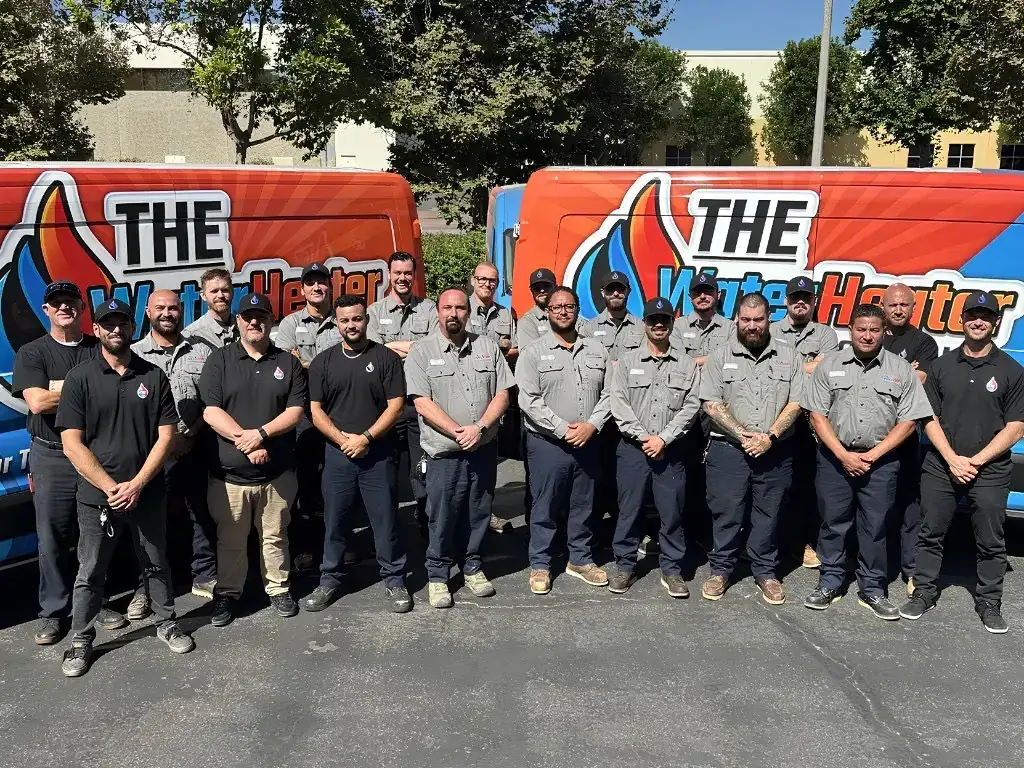
Co-Founder & CEO, THE Water Heater Company
Co-Founder and CEO of THE Water Heater Company, a water heater specialty company built on one clear mission: to be THE trusted name in water heating across Southern California.
Our story started with a simple idea: combine industry-leading expertise with a passion for people. Today, that idea has grown into a company recognized as Your Trusted Water Heater Authority, serving homeowners across Los Angeles, Ventura, Orange County, and Santa Barbara with unmatched quality, care, and transparency.
We believe excellence is not an act. It is a habit. Every member of our team lives by our Core Values: People First, Genuine Care, Raise the Bar, Total Transparency, and Better Every Day.
As a leader, I am driven by growth: of people, of teams, and of impact. My role is to create clarity, alignment, and opportunity so great people can do their best work and live their best lives.
Keep Reading
Related Articles


Ready for hot water?
Ready to Get Started?
Whether you need a repair, maintenance, or new installation — our experts are here to help.