The Complete Guide to Professional Water Heater Installation: Diagnosing Seasonal Performance Drops

Why Your Morning Shower Runs Cold: Unpacking Fall Water Heater Issues
Your morning routine is running smoothly until the hot water suddenly cuts out, leaving you shivering under a freezing showerhead. When you are unexpectedly faced with a failing system, leaning on proven local service expertise and area tips can prevent you from making a rushed, expensive decision. At The Water Heater Company, our team typically sees a spike in panic calls during the September fall transition, as many homeowners automatically assume their water tank has permanently broken down because it suddenly struggles to keep up with daily household demand.
If you need immediate assistance navigating these seasonal shifts, exploring professional water heater services is the safest way to accurately diagnose the root cause.
The sudden loss of hot water capacity often coincides directly with environmental shifts rather than an actual catastrophic equipment failure. As the seasons change, the physical conditions outside your home begin to impact the plumbing infrastructure inside your home. What feels like a broken heating element or a failing gas valve might actually be your system reacting to colder municipal water supplies.
This creates a critical decision point for homeowners. You need to determine whether the system requires a simple routine maintenance flush, a professional thermostat calibration, or a comprehensive diagnostic evaluation to see if a new unit is truly necessary. Understanding how environmental factors mask themselves as system failures is the first step in avoiding panic-buying a brand-new water heater when a much simpler solution might be available.
The Physics of Delta T: How Cooler Groundwater Affects Recovery Rates
To understand why your hot water vanishes so quickly during the September fall transition, you have to look at the underlying mechanics of how water is heated. The most important concept in this process is known as "Delta T," or temperature rise. Delta T is the primary factor dictating how fast a water heater recovers after you take a shower, run the dishwasher, or start a load of laundry.
Understanding the Temperature Gap
Delta T represents the exact number of degrees your water heater must raise the incoming water to reach your desired thermostat setting (usually around 120°F for residential safety). During the peak of summer, the municipal groundwater traveling through underground pipes is relatively warm. If the incoming water is 70°F, your system only needs to raise the temperature by 50 degrees. This smaller temperature gap allows the unit to heat the tank rapidly.
However, as the weather cools down, the temperature of the municipal groundwater drops significantly. By late fall and winter, the water entering your tank might be 50°F or colder. Suddenly, your system has to achieve a 70-degree temperature rise. This colder starting temperature forces the water heater to work much harder and run significantly longer to reach the same set thermostat temperature.
The Impact on Daily Use:
- Longer recovery times: The unit takes more time to heat a full tank from top to bottom.
- Perceived capacity loss: Because cold water enters the bottom of the tank as hot water exits the top, a longer heating cycle means the incoming cold water dilutes the remaining hot water faster.
- Increased energy consumption: The burner or heating elements must stay active longer to bridge the larger temperature gap.
Extended recovery times during this season are largely a matter of physics, not necessarily a sign of a broken heating element or a failing gas burner. Partnering with a reputable Los Angeles water heater company ensures that you receive an accurate assessment of whether your system is truly failing or simply battling the laws of thermodynamics.

Hard Water Sediment: The Invisible Insulator
While the physics of Delta T explain part of the seasonal performance drop, regional water quality issues often compound the problem. In our years serving Van Nuys and the San Fernando Valley, our technicians consistently see how the exceptionally hard municipal water supply impacts local plumbing. This means the water carries a high concentration of dissolved minerals, primarily calcium and magnesium, measured in grains per gallon.
How Scale Buildup chokes Your System
When this mineral-heavy water is heated inside your tank, a chemical reaction occurs. The dissolved minerals precipitate out of the water and settle at the bottom of the tank as solid sediment. Over months and years, this sediment hardens into a thick layer of scale. Because the heat source—whether it is a gas burner at the bottom of the tank or electric heating elements submerged inside—must transfer heat into the water, this sediment layer becomes a massive obstacle.
The scale acts as a highly effective, unwanted insulator between the heat source and the water you are trying to heat. Instead of heating the water directly, the system must first bake through inches of hardened calcium. This severe inefficiency forces the unit to run longer, overheat the bottom of the tank, and waste energy.
The Compounded Seasonal Effect:
When you combine an insulating sediment layer with the cooler incoming fall water, the unit's efficiency is severely crippled. The system is fighting a two-front battle: it has to heat much colder water, and it has to do so through a thick wall of rock-like insulation. A pattern we see often is this compounded issue mimicking total system failure, leading homeowners to panic-buy new systems unnecessarily. The high grains per gallon of hard water in the Los Angeles and Valley regions accelerates this sediment buildup, making routine seasonal maintenance absolutely critical to keeping your recovery times manageable.
Maintenance vs. Replacement: Making the Right Decision
When you are frustrated by a lack of hot water during the September fall transition, it is essential to have a clear framework for deciding your next steps. Not every slow-recovering water heater is destined for the scrapyard. Often, a professional maintenance flush is entirely sufficient to restore performance.
The Dangers of DIY Diagnostics
Before examining the signs, it is vital to stress the dangers of DIY diagnostics. Never open the electrical panel on an electric water heater or attempt to adjust the gas control valve on a gas-fired unit yourself. These systems carry high voltage and combustible gases; interacting with them requires a licensed professional. A proper diagnostic visit should always focus on education and identifying the root cause safely, rather than immediately pushing for a replacement.
To help you understand what our professionals will look for, here is a breakdown of common symptoms and what they usually mean for the lifespan of your unit:
| Symptom or Condition | Likely Diagnosis | Recommended Action |
|---|---|---|
| Popping or rumbling noises during heating | Heavy sediment buildup boiling water trapped underneath | Professional maintenance flush |
| Unit is under 6 years old with slow recovery | Delta T drop combined with early scale formation | Professional maintenance flush and thermostat check |
| Rust-colored hot water from the taps | Internal tank corrosion (anode rod failure) | Replacement assessment |
| Visible moisture or pooling around the base | Structural tank failure or severe valve leak | Immediate professional replacement |
| Unit is over 10-12 years old with poor performance | End of expected mechanical lifespan | Plan for a new installation |
Just recently, our team helped a Van Nuys customer who realized their previous water heater installation was not meticulous, which led to premature component stress and costly repairs down the line. By having our dedicated technicians handle a fresh installation, they secured a highly meticulous setup designed specifically to prevent those future expenses. A professional evaluation from our experts ensures you are making the right choice between a simple flush and a necessary upgrade.
Navigating Local Codes and Safety Standards During Replacement
If a professional diagnosis confirms that your unit is beyond repair, you must understand that installing a new water heater is not a simple swap. Modern installations require strict adherence to local building and safety codes, which exist to protect your home and your family.
Even when a system fails at the worst possible time—such as 30 minutes before a service provider closes—a reputable technician will prioritize educating the customer on these nuances rather than rushing a sale. We recently guided a local homeowner through exactly this scenario, providing thorough, patient guidance late in the day without pressure, which ultimately helped them make an informed, safe decision regarding their home's plumbing.
Critical Code and Safety Requirements
- Seismic Strapping: California's specific seismic activity risks mean that local codes mandate specialized earthquake strapping. Water heaters hold dozens of gallons of scalding water and are connected to active gas or high-voltage lines. Proper bracing on the top and bottom thirds of the tank prevents the unit from tipping over during an earthquake, avoiding massive flood damage and severe fire hazards.
- Temperature and Pressure Relief (T&P) Valve: This is the most critical safety mechanism on your tank. If the thermostat fails and the water overheats, pressure builds rapidly. The T&P valve safely discharges that excess pressure before the tank can rupture.
- Thermal Expansion Tanks: When water is heated, it expands. In closed plumbing systems, this expanded water has nowhere to go, putting immense stress on your pipes and fixtures. An expansion tank absorbs this excess volume, protecting your entire plumbing infrastructure.
- Proper Venting: For gas units, exhaust gases (including carbon monoxide) must be safely drafted out of the home. Technicians must ensure the existing flue pipe is correctly sized and sloped for the new unit.
A meticulous, code-compliant installation prevents future costly repairs and ensures long-term safety. For a deeper understanding of these requirements, reviewing California water heater installation codes can help you verify that your chosen professional is following all state mandates.
The Value of a Specialized Water Heater Estimate
When the time comes to replace your system, getting a quote should involve far more than just a quick price check over the phone. A water heater is a major mechanical appliance that impacts your daily comfort and utility bills for over a decade. Working with specialists who understand sizing, diagnostics, and long-term reliability over general plumbers is essential.
Going Beyond the Basics
A true professional follows a "beyond the 3 quotes" philosophy, and at The Water Heater Company, we emphasize that prioritizing proper sizing, safety codes, and long-term reliability is infinitely more valuable than just finding the cheapest bid. A lowball quote often omits necessary code upgrades, permits, or proper sizing calculations, leaving you with an underperforming system.
What a Specialized Estimate Includes:
- Evaluating the First-Hour Rating (FHR): This metric dictates how much hot water the unit can deliver in a single hour of peak demand. A specialist ensures the FHR matches your household's actual morning routine.
- Incoming Water Pressure Tests: High municipal water pressure can destroy a new water heater prematurely. A thorough estimate includes checking the home's pressure-reducing valve (PRV).
- Gas Line Sizing: Upgrading to a larger tank or a high-efficiency model often requires more gas volume. Specialists verify that your existing gas lines can handle the increased load safely.
A dedicated specialist evaluates the entire system to ensure optimal performance. Understanding the comprehensive water heater estimate process protects your investment and guarantees that the new unit is the perfect fit for your home in Van Nuys and the San Fernando Valley.
Selecting the Right System for Your Household
Once you understand the installation requirements and the value of a proper estimate, the final step is selecting the actual equipment. The right choice depends heavily on the specific daily routines and hot water demands of your household, especially when factoring in the September fall transition and the upcoming colder months.
Tank vs. Tankless Options
Traditional tank water heaters remain popular due to their lower upfront costs and straightforward operation. They keep a large reservoir of hot water ready at all times. However, as discussed with the Delta T effect, they can struggle with recovery times when depleted by heavy use.
High-efficiency tankless water heaters offer a compelling alternative. Because they heat water on demand using powerful heat exchangers, they never "run out" of hot water. However, they must be properly sized to handle the flow rate of multiple fixtures running simultaneously, and they require a larger gas supply and specialized venting.
Accounting for Colder Months:
When sizing a new system, you must account for increased hot water usage during the colder months. People take longer, hotter showers in the winter, and the unit is already working harder to heat colder groundwater. Sizing up slightly can provide a comfortable buffer against seasonal performance drops.
Additionally, upgrading to higher-efficiency models may qualify for generic energy rebates or federal tax credits. While specific programs fluctuate, investing in an energy-efficient unit often yields long-term utility savings that offset the initial installation costs. We always advise checking with your local utility providers or a tax professional to verify current incentives. Navigating these choices is much easier when you work with our dedicated water heater specialists who focus exclusively on this trade.
Ensure Reliable Hot Water Through the Fall and Beyond
A sudden drop in hot water capacity as the weather cools is rarely a coincidence. More often than not, it is a mix of environmental physics—specifically the widening Delta T caused by cooler groundwater—and the insulating effects of hard water sediment buildup common in Van Nuys and the San Fernando Valley. Understanding these underlying causes is the first step toward restoring your home's comfort.
Remember that an accurate, professional diagnosis is the key to avoiding unnecessary replacements. A unit that seems completely broken might just need a thorough flush to clear away the scale that is blocking heat transfer. Conversely, if your system is over a decade old and showing signs of structural failure, replacing it proactively will save you from a catastrophic leak and severe water damage.
When you notice a significant drop in performance, do not wait for the system to fail completely. Reach out to our team at The Water Heater Company so we can evaluate your unique setup, explain the physics at play, and provide a clear, safe, and code-compliant path forward.
Frequently Asked Questions
Why is my hot water running out faster in the fall?
Your hot water runs out faster in the fall primarily because the incoming municipal groundwater is colder. When the water entering the tank is colder, the water heater has to work longer and harder to raise the temperature to your thermostat setting. Because the heating cycle takes longer, the cold water entering the bottom of the tank dilutes the remaining hot water much faster than it does during the warm summer months.
How does groundwater temperature affect my water heater?
Groundwater temperature directly dictates the workload placed on your water heater. If the incoming water is 70°F in the summer, the unit only needs a small amount of energy to heat it to 120°F. When groundwater drops to 50°F in the winter, the unit must run significantly longer to bridge that larger temperature gap, naturally extending your recovery times and increasing energy consumption.
Does cold weather affect a water heater's recovery time?
Yes, cold weather significantly extends a water heater's recovery time. Because the underground pipes deliver colder water to your home during the fall and winter, the water heater requires more time to heat a completely depleted tank back to its set temperature. This is a matter of physics, not necessarily a sign that the unit is malfunctioning.
How long does a water heater take to recover after a shower?
A standard gas water heater typically takes between 30 to 40 minutes to fully recover, while an electric water heater may take an hour or more. However, this timeframe can increase significantly if the unit is heavily insulated by hard water sediment or if the incoming groundwater is exceptionally cold during the winter months.
When should I replace my water heater instead of flushing it?
You should replace your water heater if the tank is actively leaking, if you see rust-colored water coming from your hot taps, or if the unit is over 10 to 12 years old and failing to keep up with demand. If the unit is relatively new and simply making popping noises or recovering slowly, a professional maintenance flush is usually the better, more cost-effective option.
What is Delta T and why does it matter for hot water?
Delta T refers to the temperature rise—the exact number of degrees your water heater must heat the incoming cold water to reach your desired output temperature. It matters because a larger Delta T (caused by colder winter water) means the system must expend more energy and time to heat the water, directly impacting how much hot water is available for your daily routines.
About the Author

Anthony Hamilton
Co-Founder & CEO, THE Water Heater Company
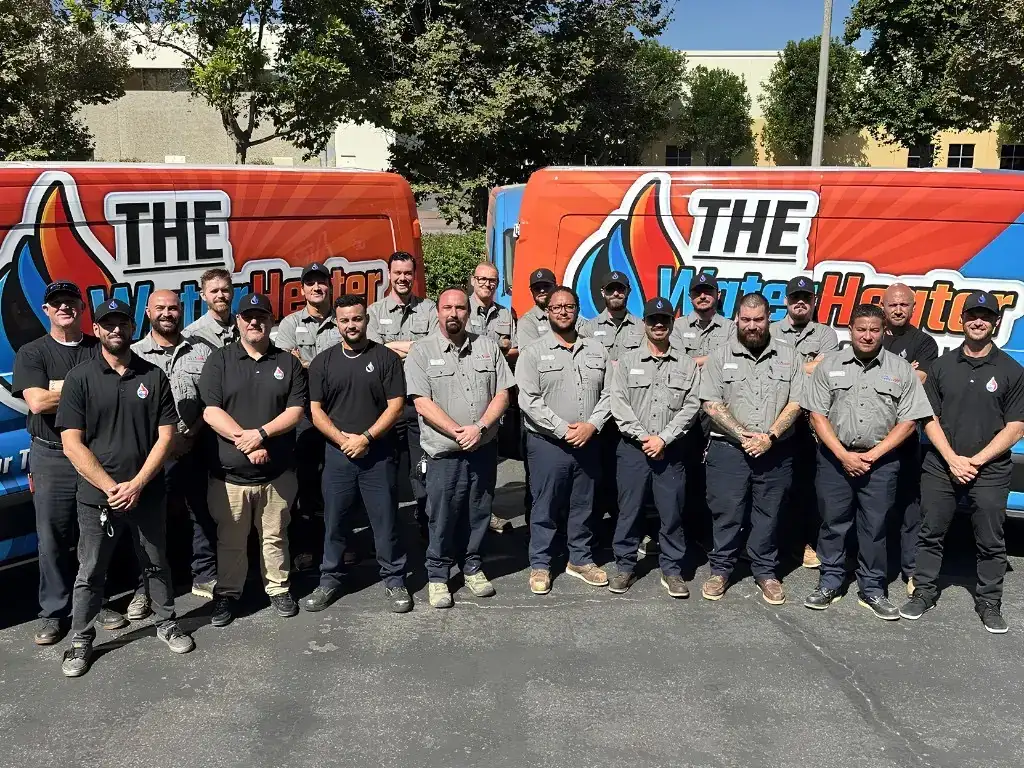
Co-Founder and CEO of THE Water Heater Company, a water heater specialty company built on one clear mission: to be THE trusted name in water heating across Southern California.
Our story started with a simple idea: combine industry-leading expertise with a passion for people. Today, that idea has grown into a company recognized as Your Trusted Water Heater Authority, serving homeowners across Los Angeles, Ventura, Orange County, and Santa Barbara with unmatched quality, care, and transparency.
We believe excellence is not an act. It is a habit. Every member of our team lives by our Core Values: People First, Genuine Care, Raise the Bar, Total Transparency, and Better Every Day.
As a leader, I am driven by growth: of people, of teams, and of impact. My role is to create clarity, alignment, and opportunity so great people can do their best work and live their best lives.
Keep Reading
Related Articles


Ready for hot water?
Ready to Get Started?
Whether you need a repair, maintenance, or new installation — our experts are here to help.