Why November Rains Reveal Water Leaking Around Water Heater Vent Pipes

The Sudden Puddle: Deciphering Water Around Your Heater During a Storm
When the first heavy November rainstorms finally arrive, discovering water leaking around water heater vent pipe connections is a stressful experience that immediately puts homeowners on high alert. You expect to see water pooling in the streets and running down the driveway, but finding a sudden puddle spreading across your utility closet or garage floor is a completely different story. For most people, the immediate assumption is that the water heater tank has catastrophically burst and a massive flood is imminent. However, before you panic and assume you need to replace your entire system, the timing of the storm provides a critical clue.
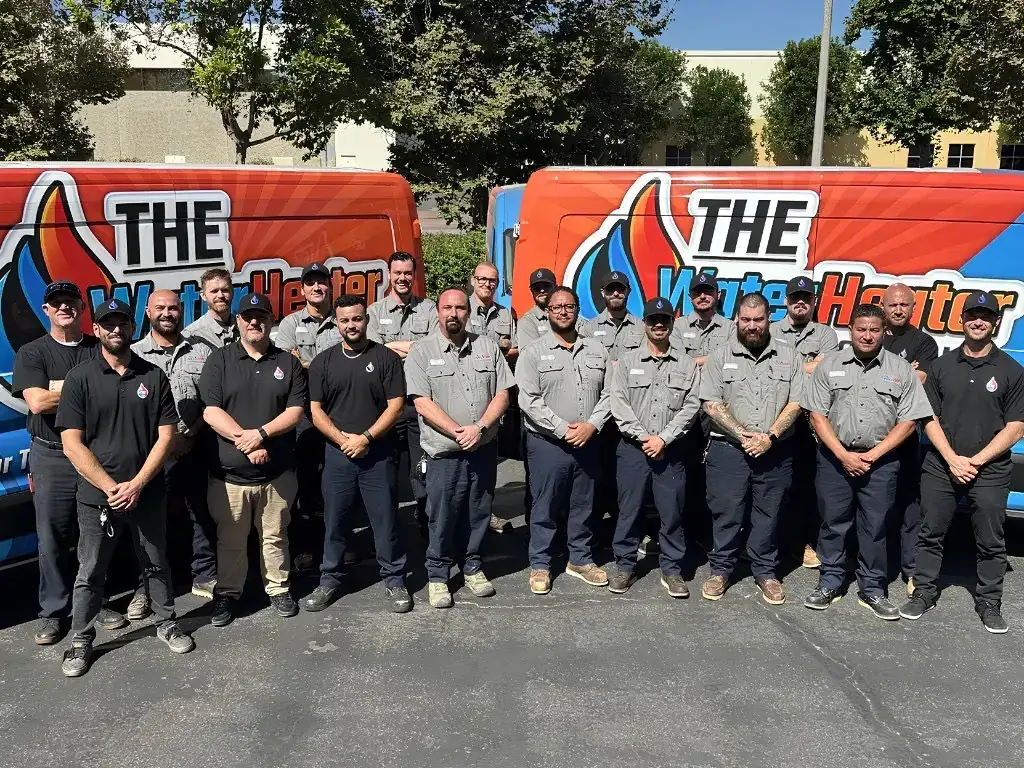
If you need a reliable Los Angeles water heater company to step in and diagnose the issue, our team at The Water Heater Company can help you sort out exactly what is happening. In our years of serving the San Fernando Valley, we have seen firsthand how intense weather events allow rainwater to easily travel down the outside of the metal B-vent pipe leading from your roof directly to your appliance. When this happens, the water follows the path of least resistance, dripping down the pipe, splashing onto the top of the tank, and eventually pooling at the base. This creates the perfect illusion of a plumbing failure. By setting the stage for a careful visual diagnosis, you can often determine whether you are dealing with a compromised roof penetration or a true plumbing emergency, potentially saving yourself from unnecessarily replacing a perfectly functioning water heater.
The Seasonal Setup: Why Fall Rains Reveal Hidden Vent Leaks
To understand why this specific problem occurs, you have to look at the environmental factors leading up to the wet season. Here in Southern California, our intense summer heat bakes rooftops for months on end. In our experience working on homes throughout Van Nuys, we've noticed that prolonged exposure to triple-digit temperatures takes a severe toll on the building materials protecting your home. The elastomeric roof sealants and rubber storm collars that surround your exhaust pipes are designed to be flexible and watertight, but months of relentless ultraviolet radiation and dry heat cause them to degrade.
As these materials bake in the sun, they slowly lose their natural elasticity. The rubber becomes brittle, shrinks, and begins to crack. The heavy-duty sealants dry out and pull away from the metal vent pipes, creating microscopic gaps. Throughout the dry summer and early fall, these newly formed vulnerabilities remain completely hidden because there is no moisture to expose them. It is a seasonal trap waiting to spring.
When the first heavy precipitation of the season finally arrives, the rainwater exploits every single crack and gap on the roof. As the rain pours down, it slips past the compromised storm collar and begins its journey straight down the exterior of the exhaust pipe. By the time it reaches your utility room, it looks like a plumbing disaster. In these situations, our technicians often find that the water heater itself is just an innocent bystander to a compromised roof penetration. If you are dealing with a genuine tank failure, scheduling professional home water heater repair is the right next step, but distinguishing between a roof leak and a tank leak is crucial for getting the right fix.
How to Visually Trace Water Leaking Around Water Heater Vent Pipes
When you find a puddle during those heavy November rainstorms, the best approach is to conduct a safe, non-technical visual inspection. You can trace the path of the water without ever needing to touch a tool or attempt dangerous DIY repairs. Follow these clear steps to figure out where the moisture is originating:
- Start at the ceiling: Take a bright flashlight and shine it directly at the point where the metal B-vent pipe exits the ceiling of your utility room or garage. Look for dark water stains, damp drywall, or active dripping around the perimeter of the ceiling cutout.
- Inspect the pipe exterior: Carefully check the outside of the metal exhaust pipe. If you see water trails, streaks of moisture, or active droplets clinging to the metal and running downward, the water is coming from above.
- Check the top of the tank: Look closely at the flat top of the water heater tank. Rainwater traveling down the vent pipe will usually pool in the recessed areas on top of the heater before it cascades down the sides and forms a puddle on the floor.
- Stay off the roof: We explicitly warn homeowners against climbing onto a wet, slippery roof during a storm to investigate or attempt to reseal the venting system. Working on gas venting and roof flashing requires a licensed professional to ensure safety and code compliance.
Signs of a Burst Tank vs. a Roof Leak
Differentiating between a failed appliance and a compromised roof vent comes down to observing a few key behaviors. Here is a breakdown of what to look for:
| Diagnostic Factor | Burst Water Heater Tank | Roof Vent Flashing Leak |
|---|---|---|
| Timing of the Leak | Leaks continuously, day and night, regardless of the weather outside. | Directly correlates with active rainfall and stops shortly after the storm ends. |
| Water Temperature | The pooling water will often be warm or hot to the touch. | The pooling water will be cold, matching the temperature of the rain. |
| Visual Residue | Water usually emerges clean from the bottom or sides of the tank casing. | Water often leaves a dirty, rusty, or sooty residue on the top of the heater. |
| Point of Origin | Water originates from the seams, the bottom plate, or the lower casing. | Water is visibly dripping from the ceiling or running down the exhaust pipe. |
If your visual inspection confirms that the water is clearly traveling down the pipe from the ceiling, you can breathe a slight sigh of relief—your tank itself is likely intact and functioning normally.

The Hidden Hazard: Carbon Monoxide Risks from Compromised B-Vents
While discovering a roof leak is certainly a headache, there is a much more serious underlying issue that requires immediate attention. The pipe routing through your ceiling is known as a B-vent, which is a specialized double-wall pipe designed to safely exhaust dangerous combustion gases—including deadly carbon monoxide—out of your home. When water intrudes on this system, it creates a severe safety hazard.
The Problem: Continuous water intrusion from heavy storms accelerates the rusting and deterioration of these critical venting pipes. The double-wall construction features an inner aluminum pipe and an outer galvanized steel shell. If rainwater gets trapped between these layers, it corrodes the metal from the inside out.
The Cause: The strict guidelines set by the National Fire Protection Association (NFPA) and the Environmental Protection Agency (EPA) require specific clearances and absolute structural integrity for gas appliance venting. When roof flashing fails and allows moisture to degrade the pipe, the tight seals required to draft exhaust gases upward are compromised.
The Solution: A deteriorated pipe can allow colorless, odorless carbon monoxide to leak into your living space instead of venting safely outdoors. Because of these severe risks, you need a professional with specialized expertise in safe gas venting (B-vents) and code-compliant roof flashing repairs to protect your home. A pattern we see often is homeowners brushing off minor drips, only for our team to later uncover severely compromised inner venting. If you suspect your venting has been compromised and is affecting your unit's operation, securing emergency water heater repair and inspection services is the safest way to ensure your household remains protected from CO exposure. Do not ignore a leaking vent pipe, even if the puddle on the floor seems small.
Understanding Roof Flashing and Storm Collar Mechanics
To fully grasp why these leaks happen during heavy November rainstorms, it helps to understand the anatomy of the components protecting your roof penetration. The venting system relies on a few simple but critical pieces of hardware to keep the weather outside where it belongs.
The roof flashing is the wide metal base that integrates directly with your roofing material. Installers slide the top edge of the flashing under the upper shingles and lay the bottom edge over the lower shingles. This creates a seamless, overlapping barrier designed to deflect water downward and away from the hole cut for the exhaust pipe.
The storm collar is the metal or rubber band that wraps tightly around the vent pipe itself, sitting just above the flashing. Its sole purpose is to seal the small gap between the vertical pipe and the top edge of the flashing cone. Installers apply a heavy bead of specialized roofing sealant around the top edge of the storm collar to ensure a watertight bond.
Failures usually occur due to improper initial installation or age-related degradation. Once the sealant cracks or the collar loosens, the seal between the collar and the pipe fails. Once that happens, a physical phenomenon known as capillary action takes over. Capillary action draws the rainwater into the tightest spaces, pulling it down the exterior of the pipe, past the flashing, and directly into your utility closet. Even a hairline crack in the sealant can funnel an astonishing amount of water indoors during a sustained late-fall downpour.
Ruling Out Other Causes: Condensation and Pressure Valves
While rain-driven vent leaks are incredibly common during the wet season, our service calls reveal that it is also important to rule out other potential sources of moisture around your tank. Not every puddle in Van Nuys is caused by a failed storm collar, and a quick check can help you confirm your diagnosis.
Heavy condensation can sometimes be mistaken for a leak. When cold municipal water fills the tank and the gas burner fires up to heat it, the sudden temperature difference can cause condensation to form on the outside of the tank or the lower sections of the vent pipe. However, condensation rarely produces large, spreading puddles; it usually results in minor dampness or a few scattered drips that dry up quickly once the tank reaches its target temperature.
The Temperature and Pressure (T&P) relief valve is another common culprit. This safety device is designed to release water if the internal pressure of the tank gets too high. You can easily check the T&P valve, which is usually located on the side or top of the tank, with a metal or plastic discharge pipe running down toward the floor. If you see water actively dripping from the end of this discharge pipe, you are dealing with a pressure issue, not a roof leak. If you notice this happening, addressing a leaking temperature and pressure relief valve requires a completely different diagnostic approach.
Ultimately, if the water is coming from the T&P valve or seeping from the bottom of the tank casing during perfectly dry weather, you can safely rule out the roof vent. Rainwater leaks will always align directly with the weather outside.
Frequently Asked Questions About Water Heater Vent Leaks
Why is water leaking from my water heater exhaust pipe?
When customers call us with this concern, we often find that water leaking from the exhaust pipe is almost always caused by a failure of the roof flashing or the storm collar. When the sealants around these components dry out and crack, rainwater is able to bypass the protective barriers on the roof. The water then travels down the outside of the metal pipe, dripping into your home and pooling on top of the water heater tank. It is a roofing and venting issue, rather than a failure of the water heater itself.
Can rain come down my water heater vent?
Yes, rain can easily travel down the exterior of the vent pipe if the roof penetrations are compromised. During heavy November rainstorms, wind-driven rain can also occasionally enter the top of the vent cap if it is damaged or missing. However, the vast majority of rain intrusion happens on the outside of the pipe due to degraded rubber collars and cracked elastomeric sealants on the roof.
How do you fix a leaking water heater vent pipe?
Fixing a leaking vent pipe requires replacing or resealing the storm collar and roof flashing to restore a watertight barrier. Because this process involves working on a pitched roof and handling critical gas exhaust venting, it is not a recommended DIY project. A licensed professional must remove the old, degraded sealant, install a new collar if necessary, and apply high-grade roofing mastic to ensure the system safely drafts combustion gases without letting water inside.
Is it condensation or a leak on my water heater?
Condensation typically presents as a light sweat or minor dampness on the tank and usually occurs when the tank is refilling with cold water. A leak from the roof vent will produce a steady drip or a noticeable puddle that directly correlates with active rainfall outside. If the water is pooling heavily on the floor and the weather is dry, you are likely dealing with a plumbing leak from the tank or the pressure relief valve.
Can a leaking water heater vent cause carbon monoxide poisoning?
Yes, continuous water intrusion can severely damage the integrity of a B-vent pipe, creating a serious carbon monoxide hazard. The moisture causes the double-wall metal piping to rust and corrode, eventually creating holes that allow dangerous combustion exhaust to escape into your home instead of venting outdoors. Any sign of water damage on a gas vent pipe should be inspected by a professional immediately to ensure your home remains safe.
Should I call a roofer or a plumber for a leaking B-vent?
If the issue is strictly related to replacing the roof shingles and the flashing base, a roofer is well-equipped for the job. However, because the B-vent is a critical component of your gas appliance's safety system, an experienced plumber or HVAC technician is often required to ensure the double-wall pipe has not been damaged by the water. Many homeowners choose to have a licensed plumber inspect the venting system first to confirm the appliance is drafting safely before having a roofer patch the exterior seal.
Secure Your Home's Venting Before the Next Storm Hits
Discovering a sudden puddle during a heavy storm is a clear indicator that the protective seals around your B-vent have been compromised. While it is a massive relief to realize your tank hasn't burst, ignoring the issue is not an option. The dual risks of ongoing water damage to your drywall and the severe threat of carbon monoxide exposure from a rusted exhaust pipe require immediate attention.
Homeowners in Van Nuys and the surrounding areas shouldn't wait for the weather to worsen before taking action. Over our many years serving this community, we strongly encourage you to schedule a professional inspection to ensure your gas venting is safe, structurally sound, and fully code-compliant. If you need expert assistance to evaluate your system, reaching out for 24/7 water heater services ensures that your home is protected and your equipment is operating safely before the next major storm rolls through.
About the Author

Anthony Hamilton
Co-Founder & CEO, THE Water Heater Company
Co-Founder and CEO of THE Water Heater Company, a water heater specialty company built on one clear mission: to be THE trusted name in water heating across Southern California.
Our story started with a simple idea: combine industry-leading expertise with a passion for people. Today, that idea has grown into a company recognized as Your Trusted Water Heater Authority, serving homeowners across Los Angeles, Ventura, Orange County, and Santa Barbara with unmatched quality, care, and transparency.
We believe excellence is not an act. It is a habit. Every member of our team lives by our Core Values: People First, Genuine Care, Raise the Bar, Total Transparency, and Better Every Day.
As a leader, I am driven by growth: of people, of teams, and of impact. My role is to create clarity, alignment, and opportunity so great people can do their best work and live their best lives.
Keep Reading
Related Articles


Ready for hot water?
Ready to Get Started?
Whether you need a repair, maintenance, or new installation — our experts are here to help.