Rinnai Code 18: Tracking Down Electrical Faults in Humid Utility Closets
A Rinnai Code 18 points to a short circuit, but the real culprit is often trapped condensation. Discover why poor ventilation causes this lockout and how to permanently resolve it.

A Rinnai Code 18 points to a short circuit, but the real culprit is often trapped condensation. Discover why poor ventilation causes this lockout and how to permanently resolve it.
Locked Out: Unpacking the Root Cause of a Code 18
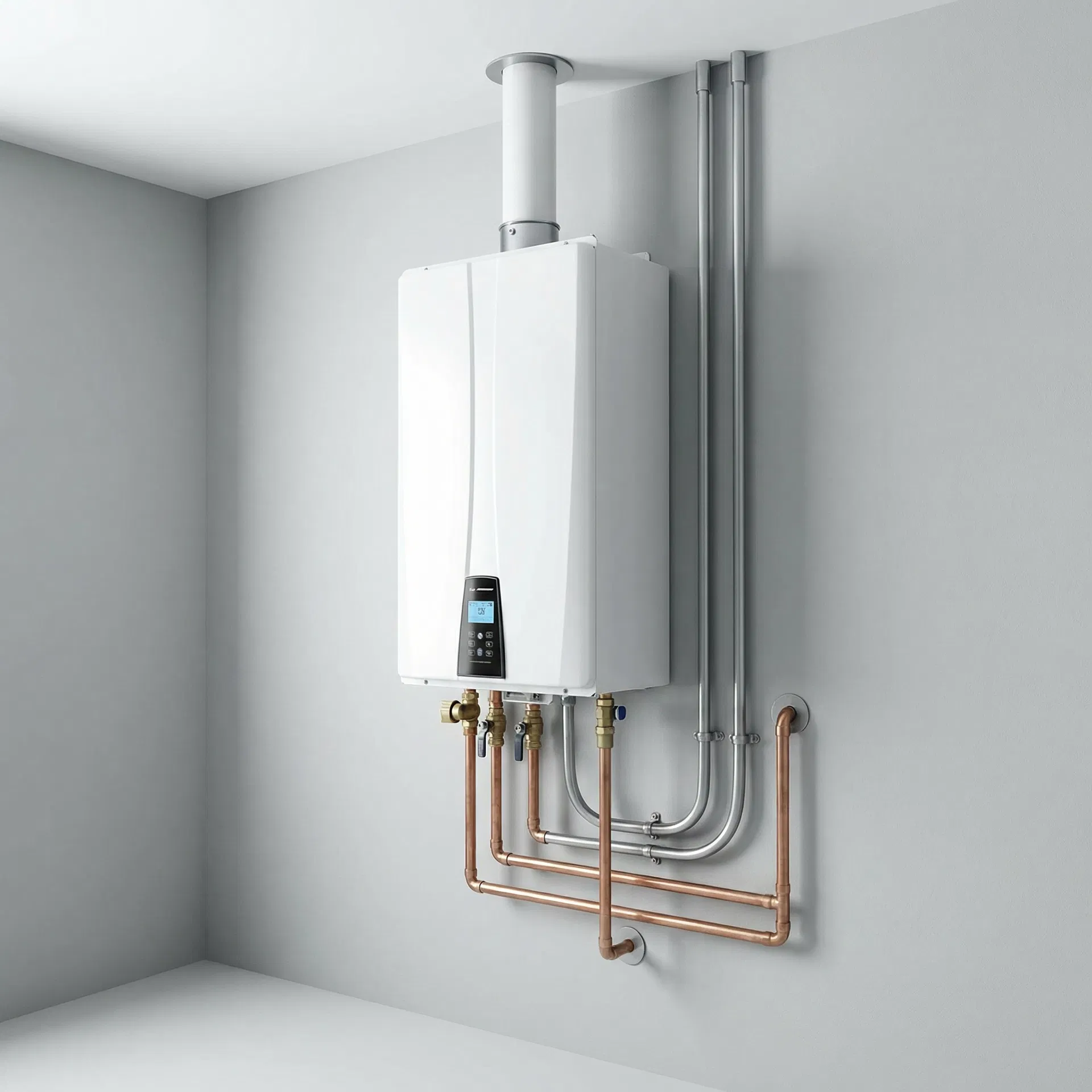
When your hot water suddenly cuts out and the display flashes an error, dealing with a Rinnai Code 18: tracking down electrical faults in humid utility closets becomes a frustrating but necessary priority. You expect your system to operate quietly in the background, so finding it completely locked out creates immediate stress. Our technicians at The Water Heater Company frequently encounter this exact scenario with modern Rinnai RU and V series indoor models. This specific error points directly to an electrical fault, but the true culprit is rarely the electronics themselves. Instead, the problem almost always traces back to the environment where the unit lives.
Many indoor units are installed in tight, poorly ventilated utility spaces beneath stairs, in hallway closets, or tucked into cramped laundry rooms. These confined areas create unique challenges for high-performance equipment. When a modern Rinnai tankless water heater displays an electrical error in one of these spaces, you face a critical decision point: do you simply replace the supposedly faulty electrical components, or do you investigate the underlying environmental root cause?
Permanently resolving this lockout requires understanding how the installation space impacts the internal machinery. If you only treat the symptom, you will likely face the exact same failure a few months down the road. If you are exploring the differences between tankless water heaters and traditional models, it helps to consult a dedicated water heater company in Los Angeles to ensure your system is installed in an environment that supports long-term reliability.
The Danger of Ignoring the Operating Environment
High-efficiency gas appliances need to breathe. They pull in combustion air, generate significant heat, and circulate cold water all within a compact metal chassis. When that chassis is trapped in a tiny, unventilated box, the resulting micro-climate can wreak havoc on sensitive internal components. Recognizing that the utility closet itself is part of the appliance's operating system is the first step toward a permanent fix.
Understanding the Code 18 (Short Circuit) Designation
To fix the problem, you first need to understand what the system is trying to tell you. A Code 18 (Short Circuit) specifically indicates that the unit has detected a short to ground or a major wiring harness fault. When our dispatch center receives a Code 18 call, we know the internal computer has recognized that 120-volt electrical current is flowing where it shouldn't be, triggering an immediate safety lockout.
This lockout is a critical safety feature. If a short circuit were allowed to continue, it could lead to severe electrical damage, destroy the main control board, or even create a fire hazard. By shutting down the gas valve and halting operation, the system protects both itself and your home. If you are familiarizing yourself with Rinnai tankless water heater error codes, you will notice that Code 18 is one of the more urgent alerts because it deals directly with high-voltage or critical sensor pathways.
Why Components Rarely Fail on Their Own
While the error code manual might point directly to the PC board or the wiring harness as the source of the failure, these solid-state components rarely fail spontaneously. A modern motherboard sitting in a dry, temperature-controlled room can easily last for decades. When a wiring harness shorts out, there is almost always an external catalyst that forced the failure.
In the vast majority of indoor residential cases we see across Southern California, that catalyst is environmental moisture. Water and electricity are a notoriously destructive combination. When sensitive electronics are exposed to a wet environment, short circuits become inevitable. This reality shifts the diagnostic focus away from the wiring itself and toward the forces creating that moisture.
The Environmental Factor: Condensation in Unventilated Closets
The physics of your plumbing system play a massive role in how moisture develops indoors. Condensation occurs when warm, moist air comes into contact with a cold surface. Inside your utility closet, the cold water inlet pipes and the internal heat exchanger are filled with incoming ground water, which typically hovers around 65 degrees. When this cold plumbing meets the ambient air inside a confined space, the metal surfaces begin to "sweat."
This sweating process accelerates dramatically during peak summer heat. For example, when the Southern California coastal marine layer rolls in during July, it brings high ambient summer humidity. If that warm, 85-degree humid air finds its way into an unventilated utility closet, it hits the cold indoor plumbing and immediately drops its moisture as condensation. Because the closet lacks active exhaust fans or louvered doors, that moisture has nowhere to go. It becomes trapped, elevating the humidity inside the closet until it feels like a miniature rainforest.
The Micro-Climate Effect
Modern high-efficiency units require specific manufacturer-mandated clearances and breathing room to operate dryly. When you shut a solid door on a tight utility space, you cut off the passive airflow necessary to evaporate routine condensation. The resulting micro-climate forces the unit to operate in a perpetually damp state.
| Environment Type | Airflow Dynamics | Condensation Risk | Impact on Electronics |
|---|---|---|---|
| Louvered / Ventilated Closet | Continuous passive air exchange with the main home. | Low. Moisture evaporates quickly into the ambient air. | Safe. Wiring and PC board remain dry and functional. |
| Sealed / Unventilated Closet | Stagnant air traps heat and ambient humidity. | High. Heavy sweating on cold inlet pipes and heat exchanger. | Dangerous. High risk of water bridging electrical connections. |
The bottom line: If your utility closet feels noticeably warm and muggy when you open the door, your equipment is suffocating, and condensation is actively forming inside the cabinet.

How Trapped Moisture Attacks the Wiring Harness
Once condensation forms inside the cabinet, gravity takes over. The moisture does not just sit harmlessly on the pipes; it follows the path of least resistance downward. Unfortunately, the internal layout of many units places critical electrical connections right in the path of this dripping water.
Here is exactly how our technicians see trapped moisture attack systems in the field:
- Pooling and Dripping: Condensation forms on the upper cold-water inlet and heat exchanger, eventually pooling enough to form heavy droplets.
- Following the Wires: These droplets fall onto the internal wiring paths. Because wires are often bundled together, they act like a highway, guiding the water directly toward the multi-pin connectors.
- Bridging the Connection: When a water droplet reaches a plastic Molex connector plug, it seeps inside. Since water conducts electricity, it bridges the gap between a live wire and a ground wire (or the metal casing).
- Triggering the Short: The PC board detects this unintended electrical path instantly. It registers the short circuit, cuts power to the gas valve, and throws the Code 18 alert on your display.
The Threat of Long-Term Corrosion
If the moisture issue is chronic but previously undetected, the damage goes beyond a simple temporary short. Constant exposure to water causes the metal pins inside the wiring harness to corrode. Green or white powdery buildup begins to form on the connections, permanently increasing electrical resistance and degrading the signal to the motherboard.
Drying out the unit with a fan or a hairdryer might temporarily clear the error code, allowing the unit to fire back up. However, the short will inevitably return if the moisture source isn't eliminated. Routine tankless water heater maintenance helps catch these early signs of corrosion before they cause a total system shutdown.
Why Swapping Parts Isn't Always the Answer
When faced with an electrical error, a common misconception is that the PC board is dead and must be replaced immediately. This assumption leads many homeowners down a frustrating and expensive path. Buying a brand-new motherboard and plugging it into a persistently wet environment is a massive financial risk. The new board might work for a few days, but as soon as the condensation builds up again, the new board will short out just like the old one.
This is where the expertise of our team matters. Dedicated water heater specialists have the advanced diagnostic experience to trace nuanced electrical faults to their environmental root causes. Unlike general contractors who might just swap the board, cross their fingers, and hand you a bill, a true specialist looks beyond the immediate error code. They evaluate the entire installation environment to protect the longevity of the whole system.
Learning from Real-World Failures
Ignoring the operating environment always leads to premature equipment failure. Consider a real-world scenario from a peak summer service call: right in the middle of a brutal July heatwave, a homeowner discovered their 13-year-old water heater was leaking heavily. Because the unit was failing structurally and releasing uncontrolled water into the space, our technician had to arrive immediately and replace the entire system the same day to restore hot water safely. While that specific situation involved a physical tank leak rather than ambient condensation, the core lesson remains exactly the same: introducing uncontrolled moisture into an appliance's operating environment destroys the equipment. Accurate diagnostics that identify water issues early save you from emergency replacements.
Professional Diagnostics for Electrical Faults
Because a Code 18 involves live 120V voltage, water, and sensitive computer boards, electrical troubleshooting requires a licensed professional. DIY attempts to bypass safety sensors or splice wet wires introduce severe shock hazards and can easily fry the remaining intact components. A professional diagnostic visit follows a strict, safety-first protocol.
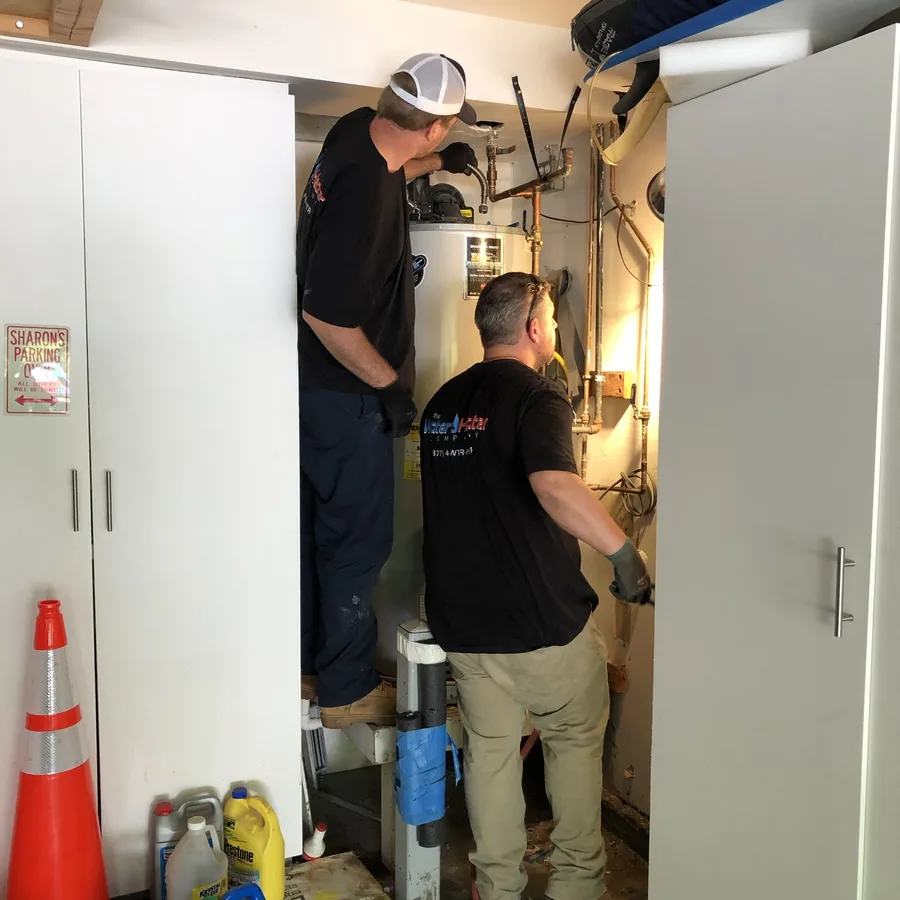
During a recent mid-summer service call, one of our technicians arrived promptly to de-scale an indoor water heater, putting on protective floor booties and completing the job efficiently while patiently answering the homeowner's questions. This level of meticulous, respectful care is exactly what you should expect when a professional opens up your unit to inspect delicate electronics. The diagnostic process requires patience and precision.
The Professional Diagnostic Checklist
When a specialist from our team arrives to handle your water heater repair, they will systematically isolate the fault:
- Testing the Grounds: The technician uses a multimeter to verify that the unit is properly grounded and that there are no stray voltages electrifying the cabinet.
- Inspecting the Harness: They physically disconnect the wiring harness plugs to inspect for water droplets, green corrosion, or melted plastic.
- Verifying PC Board Integrity: The technician tests the resistance across the motherboard's terminals to ensure the short circuit hasn't permanently damaged the microprocessors.
- Assessing the Environment: They measure the utility closet's dimensions, check the passive airflow, and verify that the installation meets the manufacturer's strict 24-inch front clearance specifications.
- Drying and Testing: If the components are intact but wet, the technician safely dries the harness, applies dielectric grease to block future moisture, and test-fires the system while monitoring the voltage drop.
Long-Term Solutions: Optimizing Your Utility Space
Once the immediate short circuit is resolved and the error code is cleared, the final step is ensuring the problem never returns. Optimizing your utility space is the only way to protect your investment from future condensation damage. You must change the micro-climate inside the closet.
Here are the most effective ways our installers recommend improving the operating environment for your indoor unit:
- Install Louvered Doors: Replacing a solid wooden door with a louvered (slatted) door is the easiest way to promote passive airflow. This allows the ambient humidity to escape into the wider hallway or laundry room before it can condense on the pipes.
- Add Active Exhaust Fans: If the space is severely confined and cannot be passively vented, installing a small, 50-CFM low-sone exhaust fan helps pull stagnant, humid air out of the closet while the unit is running.
- Maintain Required Clearances: Clear away all cardboard boxes, storage bins, cleaning supplies, and debris from around the unit. The manufacturer requires specific air gaps (often 24 inches in front and several inches on the sides) to ensure the unit doesn't overheat or trap moisture.
- Insulate Cold Water Lines: Wrapping the exposed cold-water inlet pipes with 1/2-inch foam pipe insulation prevents warm closet air from touching the freezing metal, stopping condensation at the source.
- Schedule Regular Professional Maintenance: Annual servicing allows a technician to open the cabinet and monitor internal components for early signs of moisture exposure long before a short circuit occurs.
Frequently Asked Questions
What does code 18 mean on a Rinnai tankless water heater?
Code 18 indicates that the system has detected a short circuit to ground or a fault in the wiring harness. This is a critical safety lockout designed to prevent electrical fires or permanent damage to the main control board. When this code appears, the unit immediately shuts off the gas valve and stops producing hot water until the electrical fault is resolved by a professional.
Why is my indoor tankless water heater sweating?
Your indoor unit sweats due to condensation forming when cold inlet pipes meet warm, stagnant air. In tight, poorly ventilated utility closets, the summer humidity gets trapped, creating a micro-climate that forces moisture to drop out of the air onto the cold metal surfaces of the heat exchanger. Improving airflow in the closet is the best way to stop this sweating.
How do I fix a short circuit in my Rinnai water heater?
Fixing a short circuit requires a licensed professional to test the 120V wiring harness and PC board with a multimeter. Because water is often the root cause, the technician must safely dry the connections, clean away any corrosion, and verify the integrity of the motherboard. Attempting DIY electrical repairs on a gas appliance poses severe shock and fire hazards.
Can condensation permanently damage a tankless water heater motherboard?
Yes, prolonged exposure to condensation can permanently destroy the motherboard. While a minor splash might only cause a temporary short circuit, chronic moisture leads to deep corrosion on the wiring harness pins and can fry the sensitive microprocessors on the PC board. Addressing ventilation issues early prevents this expensive component failure.
How much ventilation does an indoor tankless water heater need?
Indoor units require specific clearances outlined by the manufacturer, typically including at least 24 inches of front clearance for service and adequate passive airflow to prevent moisture buildup. Installing louvered doors or active exhaust fans is highly recommended for units placed in tight closets to ensure the surrounding air remains dry and circulating.
Dealing with a locked-out system is stressful, but understanding the environmental causes behind the error empowers you to make the right repair decisions. By focusing on utility closet ventilation rather than just swapping parts, you ensure your system runs safely and efficiently for years to come. Schedule your professional diagnostic with our team today to protect your equipment and restore your hot water.
About the Author

Anthony Hamilton
Co-Founder & CEO, THE Water Heater Company
Co-Founder and CEO of THE Water Heater Company, a water heater specialty company built on one clear mission: to be THE trusted name in water heating across Southern California.
Our story started with a simple idea: combine industry-leading expertise with a passion for people. Today, that idea has grown into a company recognized as Your Trusted Water Heater Authority, serving homeowners across Los Angeles, Ventura, Orange County, and Santa Barbara with unmatched quality, care, and transparency.
We believe excellence is not an act. It is a habit. Every member of our team lives by our Core Values: People First, Genuine Care, Raise the Bar, Total Transparency, and Better Every Day.
As a leader, I am driven by growth: of people, of teams, and of impact. My role is to create clarity, alignment, and opportunity so great people can do their best work and live their best lives.
Keep Reading
Related Articles
Ready for hot water?
Ready to Get Started?
Whether you need a repair, maintenance, or new installation — our experts are here to help.