Navigating Water Heater Installation: Tank vs. Tankless Systems for Older Homes

Is Your Home Ready for a Water Heater Upgrade Before Fall Arrives?
Are you confident your current water heater can handle the sudden drop in incoming water temperatures and the surge of holiday houseguests just around the corner? When faced with an aging or failing unit, looking at options comparisons for homeowners is the first step toward securing reliable hot water for the busy months ahead. The September pre-fall transition is the ideal window to evaluate your system, long before the winter chill puts maximum strain on your plumbing.
Many homeowners find themselves facing a common dilemma: should you upgrade to a modern, space-saving tankless system, or stick with a reliable, traditional tank replacement? While the appeal of endless hot water is strong, older homes present unique infrastructure challenges that must be carefully evaluated. Making the right choice requires looking far beyond generic price tags and understanding exactly what your specific property can support.
If you are ready to explore your choices, our comprehensive Water Heater Installation Services are designed to guide you through this exact process. In our decades of experience serving Van Nuys and as a trusted water heater company in Los Angeles, our team focuses on matching the right technology to your home's unique footprint.
Evaluating Infrastructure Realities in Older Residential Properties
It is easy to look at a sleek new water heating system and assume it can seamlessly swap into the place of your old unit. However, San Fernando Valley older residential properties were built under different plumbing, electrical, and gas standards than we use today. Upgrading your system—especially if you are moving from a traditional tank to a high-efficiency tankless model—often requires significant infrastructural retrofitting.
The Gas Line Dilemma
Fuel delivery requirements: A standard traditional tank water heater typically operates at around 40,000 BTUs and runs perfectly fine on a standard 1/2-inch gas line. In contrast, a tankless water heater fires on demand and requires a massive, instantaneous amount of energy to heat water on the fly—often demanding up to 199,000 BTUs. In many older San Fernando Valley homes, our technicians frequently find that the existing 1/2-inch gas line simply cannot deliver the necessary volume of gas. Upgrading to a 3/4-inch gas line is a retrofit we commonly perform to ensure the new system operates safely and effectively.
Venting and Exhaust Dynamics
Airflow and exhaust: Modern high-efficiency water heaters, particularly condensing tankless units, change the way exhaust gases are handled. Traditional tanks often use natural draft venting, allowing hot exhaust to rise through a standard metal flue. High-efficiency units extract so much heat from the exhaust that the remaining gases are relatively cool and highly acidic. This requires specialized venting materials, such as specific grades of PVC or stainless steel, and often requires venting directly horizontally through an exterior wall rather than up through the roof.
Electrical and Code Compliance
Powering the modern system: Even gas-powered tankless water heaters require a dedicated electrical outlet to power their digital control boards and electronic ignition systems. Older homes may lack accessible outlets near the plumbing fixtures, necessitating minor electrical updates. Furthermore, every modification must strictly adhere to current safety regulations. Familiarizing yourself with California water heater installation codes ensures that your upgrade is not just efficient, but fully compliant and safe for your family.
Traditional Tank Water Heaters: Reliability and Straightforward Replacement
For many San Fernando Valley older residential properties, replacing an aging tank with a newer, more efficient tank model is the most practical and straightforward solution. Traditional tank water heaters have been the standard for decades, and modern iterations are significantly better insulated and more efficient than the units installed twenty years ago.
The Lifespan and Installation Process
A standard tank water heater typically offers an expected lifespan of 10 to 15 years, depending on maintenance and local water conditions. The primary advantage of choosing a tank replacement is the simplicity of the installation process. Because the home's existing gas lines, venting, and physical footprint were already designed around a tank, a replacement usually utilizes this existing infrastructure with minimal modifications.
Our team recently helped a local homeowner experience the value of this straightforward approach during a chilly evening. After coming home from work to find their 10-year-old water heater actively leaking, they called us for an immediate solution. Our technician arrived within two hours, mitigated the leak, and evaluated the system. Given the age of the unit, we helped the homeowner weigh their choices, and they opted for a full replacement, ultimately choosing a premium package with an extended warranty and longevity-enhancing features. The seamless swap provided them long-term peace of mind without the need for extensive home modifications.
Pros and Cons of Traditional Tanks
- Pro: Lower upfront installation complexity. Because they use existing connections, labor and modification requirements are kept to a minimum.
- Pro: Reliable backup. A tank holds a large reserve of hot water, meaning you still have access to warm water during a brief power outage.
- Con: Standby energy loss. Tanks continuously heat water 24/7, even when you are sleeping or away at work, which is less energy-efficient than on-demand heating.
- Con: Physical footprint. Traditional tanks require a significant amount of floor space in a garage or utility closet.
- Con: Limited supply. Once the 40 or 50 gallons of stored hot water are depleted, you must wait for the tank to recover and reheat a new batch.
Tankless Water Heaters: High Efficiency and Endless Supply
If your household frequently runs out of hot water during the morning shower rush, or if you regularly host out-of-town guests, a tankless water heater offers a compelling solution. Instead of storing hot water, these units use high-powered burners to heat water instantly as it flows through the heat exchanger. This means the supply of hot water is virtually endless, provided the unit is sized correctly for your home's simultaneous flow rate.
Longevity and Efficiency Benefits
When properly maintained, a high-quality tankless water heater can boast an extended lifespan of 20 years or more—nearly double that of a traditional tank. Because they only consume energy when a hot water tap is actually open, they eliminate the standby energy loss associated with traditional models. Over the course of two decades, this increased energy efficiency can significantly offset the initial retrofitting requirements for older properties.
It is also worth noting that upgrading to qualifying high-efficiency installations may be eligible for federal tax credits or utility incentives. Our installation teams always advise homeowners to verify current programs with their local utility provider or a qualified tax professional, as these incentives can make the transition to advanced technology more accessible.
Comparing Your Options
| Feature | Traditional Tank Water Heater | Tankless Water Heater |
|---|---|---|
| Hot Water Supply | Limited to tank capacity (e.g., 40-50 gallons) | Continuous and endless on-demand supply |
| Expected Lifespan | 10 to 15 years | 20+ years (with proper maintenance) |
| Space Requirements | Large footprint; requires significant floor space | Compact; wall-mounted to free up floor space |
| Installation Complexity | Generally straightforward in older homes | Often requires gas line and venting retrofits |
| Energy Efficiency | Subject to standby heat loss | Highly efficient; heats only when needed |

How Regional Mineral Content Impacts System Longevity
When comparing water heating systems, the conversation often stops at energy efficiency and physical space. However, one of the most critical factors for homeowners in our region is water quality. In our daily service calls across the San Fernando Valley, we see firsthand how the regional reliance on groundwater means the water entering your home is naturally high in dissolved minerals like calcium and magnesium, leading to hard water scale buildup.
The Problem: Hard Water and High Temperatures
The chemical reaction: When hard water is heated, the dissolved minerals precipitate out of the water and form a solid, chalky substance known as scale. Inside a traditional tank, this scale settles at the bottom, eventually burying the lower heating elements or the gas burner plate. Inside a tankless water heater, the problem is even more acute. The scale rapidly coats the narrow, highly sensitive heat exchanger coils.
The Cause: Insulation Through Calcification
How it damages the system: Scale is a natural insulator. As it builds up on the heat exchanger of a tankless unit, it creates a barrier between the heat source and the water. The system must then burn more fuel and work significantly harder to achieve the desired water temperature. If left unchecked, this forces the unit to overheat, leading to error codes, a drastic drop in energy efficiency, and ultimately, premature failure of the heat exchanger itself.
The Solution: Routine Descaling Maintenance
Protecting your investment: In our years of maintaining systems across Van Nuys, we have found that to ensure a tankless water heater reaches its potential 20+ year lifespan in San Fernando Valley older residential properties, routine descaling is absolutely critical. Our maintenance process involves isolating the water heater from the main plumbing and flushing a specialized, food-grade descaling solution through the system for about an hour. This dissolves the mineral buildup and restores the unit to factory efficiency. Whether we install a tank or a tankless system for you, we always stress that managing regional mineral content is the key to protecting your investment.
Timing Your Upgrade: The Advantage of Pre-Fall Preparation
Water heaters are notoriously out of sight and out of mind until they fail, which almost always seems to happen at the worst possible moment. Waiting for an emergency breakdown limits your choices and adds unnecessary stress to the replacement process. This is why our team recommends the September pre-fall transition as the most strategic time to assess and upgrade your water heating system.
The Winter Workload
Understanding temperature rise: As the seasons change, the temperature of the groundwater entering your home drops significantly. In the middle of summer, your water heater might only need to raise the incoming water temperature by 40 degrees to reach a comfortable 120°F. By late fall and winter, that incoming water is much colder, meaning the system has to work much harder and burn more fuel to achieve the same result. This increased workload is often the breaking point for an aging, compromised water heater.
Preparing for Peak Demand
Holiday gatherings and houseguests: In addition to colder incoming water, the fall and winter months typically bring an influx of family gatherings, holiday hosting, and overnight houseguests. This causes a sudden, sustained spike in household hot water demand. Showers run back-to-back, the dishwasher runs twice a day, and the washing machine handles extra loads of linens. By proactively upgrading your system during the September pre-fall transition, you ensure your home is fully equipped to handle this peak heating season without the risk of a catastrophic failure during a holiday dinner.
Why Comprehensive Assessments Outperform Standard Quotes
When it is time to replace a water heater, it is tempting to simply call around and ask for the lowest price. However, treating a water heater installation as a simple commodity is a recipe for long-term frustration, particularly in older properties. This is where our "beyond the 3 quotes" philosophy becomes essential. A generic price quote given over the phone cannot account for the condition of your gas lines, the safety of your venting, or the specific water quality challenges in your neighborhood.
The Value of Specialized Expertise
Evaluating the whole home: A comprehensive assessment looks holistically at your home's infrastructure. Specialized expertise prevents future repair needs caused by overlooked incompatibilities. For example, installing a high-efficiency tankless unit without verifying the gas meter's capacity or the diameter of the supply line will result in a system that starves for fuel and fails to deliver hot water when you need it most. We believe in evaluating the whole home rather than just acting as general plumbers handing out generic bids.
Education Without Pressure
Making an informed decision: Choosing the right system requires understanding the unique footprint of your property. We see this play out regularly; for example, one of our local customers experienced this firsthand when their water heater went out just 30 minutes before our closing time on a spring evening. Our technician Anthony answered the call and took the time to provide helpful, thorough education on the realities of buying a new water heater. By addressing the infrastructure requirements without resorting to high-pressure sales tactics, we empowered the homeowner to make the right choice for their specific situation.
If you are ready to explore the best options comparisons for homeowners, securing a professional water heater estimate is your next step. We are here to provide the clear, regionally-aware guidance you need to confidently choose the right upgrade for your home's infrastructure—ensuring reliable comfort for years to come.
Frequently Asked Questions
Which type of water heater is best for an older home?
The best choice depends entirely on your home's existing infrastructure and your household's hot water demand. Traditional tanks are often the most straightforward and cost-effective to install in older homes because they utilize the existing gas lines and venting. However, if your home can accommodate the necessary retrofitting, a tankless system offers unparalleled energy efficiency and an endless supply of hot water.
What are the requirements to install a tankless water heater?
Installing a tankless water heater generally requires upgrading the gas supply line to a larger diameter to handle the higher BTU demand. It also requires a dedicated electrical outlet for the digital controls and specialized venting materials to safely exhaust the cooler, acidic gases. Finally, the installation must strictly adhere to all current local safety and building codes.
Is it worth switching to a tankless water heater?
For many families, the switch is highly beneficial due to the elimination of standby energy loss and the convenience of endless hot water. Tankless units also boast a lifespan of 20 years or more when properly maintained, which can offset the initial retrofitting costs. The value ultimately depends on how long you plan to stay in the home and your willingness to invest in the upfront infrastructure upgrades.
What are the disadvantages of a tankless water heater?
The primary disadvantage is the initial complexity and expense of retrofitting an older home's gas and venting systems. Additionally, tankless water heaters require strict, routine maintenance—specifically annual descaling—to prevent mineral buildup from destroying the heat exchanger. They also do not store a reserve of hot water, meaning you will not have hot water during a power outage unless the unit has a battery backup.
How does hard water affect my new water heater's warranty?
Hard water causes scale to build up rapidly on heating elements and heat exchangers, drastically reducing efficiency and lifespan. Most manufacturers explicitly state in their warranty documentation that damage caused by scale buildup is not covered. To protect your warranty and your investment, it is critical to perform routine descaling maintenance, especially if you live in a region heavily reliant on groundwater.
About the Author

Anthony Hamilton
Co-Founder & CEO, THE Water Heater Company
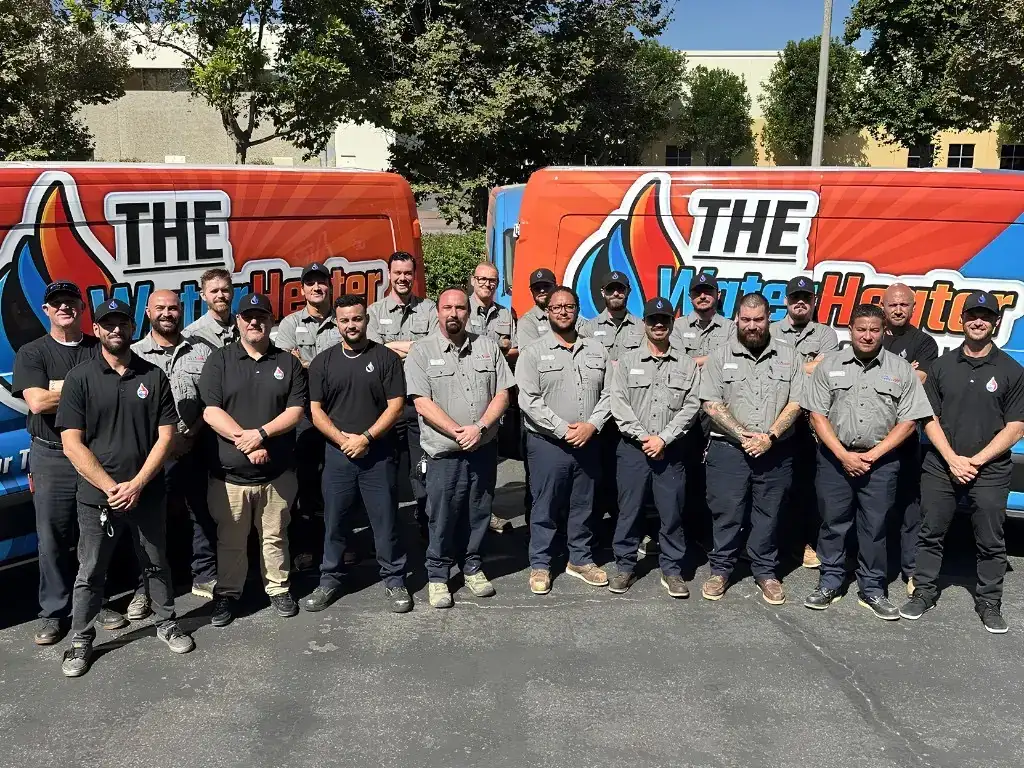
Co-Founder and CEO of THE Water Heater Company, a water heater specialty company built on one clear mission: to be THE trusted name in water heating across Southern California.
Our story started with a simple idea: combine industry-leading expertise with a passion for people. Today, that idea has grown into a company recognized as Your Trusted Water Heater Authority, serving homeowners across Los Angeles, Ventura, Orange County, and Santa Barbara with unmatched quality, care, and transparency.
We believe excellence is not an act. It is a habit. Every member of our team lives by our Core Values: People First, Genuine Care, Raise the Bar, Total Transparency, and Better Every Day.
As a leader, I am driven by growth: of people, of teams, and of impact. My role is to create clarity, alignment, and opportunity so great people can do their best work and live their best lives.
Keep Reading
Related Articles


Ready for hot water?
Ready to Get Started?
Whether you need a repair, maintenance, or new installation — our experts are here to help.