Why Hard Water Demands Professional Water Heater Installation Before the Fall Transition

The Hidden Threat to Aging Water Heaters in Early Fall
Your shower takes just a little longer to heat up, and the hot water seems to run out faster than it did last year. When dealing with aging plumbing systems, leaning on local service expertise and area tips can save you from a major headache down the road. The subtle shift in weather as overnight temperatures begin to drop often exposes hidden vulnerabilities in your home's daily comfort systems. If you are looking for a reliable water heater company to evaluate your system, proactive maintenance is always better than an emergency replacement.
During the intense summer months, the ground water entering your home is naturally warmer. This higher starting temperature easily masks the slow, silent accumulation of hard water scale building up inside your water heater tank. The system doesn't have to work very hard to reach your desired shower temperature, so you remain completely unaware that the internal components are degrading. However, as we approach the September / early fall transition, the dynamic changes rapidly.
Homeowners quickly reach a critical decision point: whether to proactively evaluate an aging, 5+ year old system now, or wait for it to fail under increased seasonal demand. Waiting for a catastrophic leak means dealing with water damage, emergency service calls, and sudden disruptions to your daily routine. A professional assessment evaluates the internal health of the tank, the integrity of the safety valves, and the severity of the sediment buildup before the colder weather sets in. Catching these hidden threats early ensures your household enjoys uninterrupted hot water when you need it most.
How Hard Water Scale Acts as a Silent Insulator
The underlying problem: The water supply in the San Fernando Valley / Van Nuys area is notoriously hard. It contains extremely high levels of dissolved calcium and magnesium. When this mineral-heavy water enters your water heater and gets heated, a chemical reaction occurs. The heat causes the minerals to lose their solubility, forcing them to precipitate out of the water. Slowly but surely, these minerals drift down and settle at the very bottom of the tank.
The mechanical cause: Over months and years, this loose sediment bakes into a solid, rock-like layer. Because the heat source—whether it is a gas burner underneath or an electric heating element inside—is located at the bottom of the tank, this hardened scale acts as a thick blanket of insulation. The region's famously hard water, often measuring between 7 to 12+ grains per gallon, accelerates this scaling process much faster than in other parts of the country. The system must first heat the layer of rock before that heat can finally transfer into your water. As the burner struggles to push heat through the barrier, you might start hearing strange popping, knocking, or rumbling noises. This sound is actually small pockets of water trapped under the sediment flashing into steam and violently escaping.
The professional solution: Overcoming this insulating barrier requires more than just turning up the thermostat. It demands a thorough professional evaluation to determine if the tank can be safely descaled or if the structural integrity has been compromised. Upgrading your system through proper water heater installation in Los Angeles ensures you get equipment specifically designed to handle heavy mineral loads.
The Efficiency Drain
When hard water scale takes over your tank, the ripple effects touch every part of the system's performance. The most common impacts include:
- Increased energy consumption: The system burns significantly more gas or electricity just to fight through the sediment barrier, driving up your monthly utility bills.
- Longer recovery times: After a heavy period of usage, such as back-to-back morning showers, the tank takes much longer to reheat the incoming cold water.
- Premature wear and tear: The constant overheating at the bottom of the tank weakens the metal, degrades the internal glass lining, and drastically shortens the lifespan of the entire unit.

The Temperature Drop: When Weak Systems Fail
The true stress test for any aging plumbing appliance arrives with the changing of the seasons. Extreme summer heat previously masked the unit's inefficiency because the incoming municipal water was already quite warm. But as the September / early fall transition brings cooler overnight temperatures, the groundwater traveling through the city pipes gets noticeably colder. This sudden temperature differential creates a massive increase in the thermal load placed on your water heater.
A tank that is already compromised by a thick layer of hard water scale simply struggles to keep up. The burner has to run longer and hotter to bridge the gap between the cold incoming water and your desired shower temperature. This prolonged heating cycle causes the metal tank to expand and contract far more than it did during the summer. If the internal glass lining of the tank is already brittle and covered in baked-on scale, this aggressive thermal expansion is often the final straw. The microscopic cracks widen, the metal fatigues, and the tank finally gives way.
One local homeowner came home from work to find their water heater actively leaking after a sudden temperature shift. A technician arrived within two hours to stop the leak, and given the extensive scale damage, the customer ultimately opted for a full replacement of their 10-year-old unit with a premium package. Catching these vulnerabilities before a major leak occurs is crucial. Understanding the most common problems with tankless water heaters and traditional tank models allows you to take action before you are standing in a flooded garage on a chilly autumn morning.
The Danger of Big-Box Store Replacements in Hard Water Zones
When faced with a failing water heater, it is tempting to run to the nearest home improvement store for a quick replacement. However, generic, builder-grade units are a remarkably poor investment for homes dealing with the aggressive water conditions of the San Fernando Valley / Van Nuys area. Big-box store water heaters are manufactured to hit a low price point for nationwide distribution. They assume average water conditions, which simply do not exist here.
The internal components of these cheaper units degrade rapidly under harsh mineral conditions. For example, standard anode rods—the sacrificial metal bars designed to attract corrosive elements and protect the tank—are often thinner and less effective in generic models. Similarly, big-box units frequently use plastic drain valves that become brittle, snap off, or leak when a technician later attempts to flush out the heavy, abrasive local sediment.
| Feature | Big-Box Store Unit | Professional-Grade Unit |
|---|---|---|
| Drain Valve Material | Cheap, brittle plastic that easily cracks under pressure | Heavy-duty solid brass designed for frequent flushing |
| Anode Rod Quality | Thinner, standard-grade metal that depletes quickly | Thicker, high-grade magnesium or aluminum for hard water |
| Tank Insulation | Standard foam, leading to faster standby heat loss | Enhanced, thicker insulation for superior energy retention |
| Long-Term Value | False economy; requires replacement years earlier | Built to withstand aggressive local water conditions |
Saving money upfront on a cheaper unit creates a false economy when you are forced to replace the entire system years earlier than expected. Another customer recently discovered this the hard way when a previous, non-meticulous installation of a generic unit led to a costly breakdown. A professional team had to step in and perform a much more thorough installation of a new, high-grade water heater, adding a beneficial protective component to avoid future expenses. This is exactly why a reputable local company adheres to a strict standard of refusing to install inferior big-box store water heaters—they simply cannot withstand the local water hardness. Matching the equipment quality to the specific environmental challenges of your home is the only way to ensure lasting comfort.
Moving Beyond the Standard Bid for Long-Term Value
There is a massive difference between a thorough professional diagnostic and a quick quote-and-swap job. Simply swapping an old tank for a new one without assessing the underlying infrastructure often leads to repeated failures. If the root cause of the breakdown was excessive water pressure or poor venting, attaching a brand-new tank to the same flawed system guarantees another breakdown.
Weaving in a "Beyond the 3 Quotes" philosophy means looking at the entire ecosystem of your home's plumbing. A thorough diagnostic identifies sediment and infrastructure issues that cheap competitors miss when they just look at the gallon capacity and shout out a price. This comprehensive approach empowers you to ask questions and expect education rather than high-pressure sales tactics.
For instance, when one homeowner's water heater failed just thirty minutes before closing time, a technician named Anthony took the call. Instead of rushing a sale, he took the time to educate the customer and her husband on the nuances of their specific system, assisting them with the purchase process so they felt fully informed and entirely unpressured. Getting a professional water heater estimate ensures you receive this level of detailed, patient evaluation.
What to Expect from a Thorough Evaluation
- Assessment of current water hardness impacts: Checking how the local San Fernando Valley water has affected your existing pipes, fixtures, and the old tank.
- Evaluation of existing infrastructure: Inspecting the incoming water pressure to ensure it won't blow out the new internal seals, checking the gas venting for safe carbon monoxide drafting, and testing the safety relief valves.
- Proper sizing calculations: Ensuring the new unit doesn't overwork during peak demand times, factoring in your household's specific hot water usage patterns.
- Clear, pressure-free education: Providing a transparent breakdown of repair versus replacement options, helping you make the best decision for your home as we enter the September / early fall transition.
Frequently Asked Questions About Water Heaters and Hard Water
Why do water heaters often fail in the fall?
Water heaters often fail in the fall due to a sudden increase in thermal load. As overnight temperatures drop, the incoming municipal groundwater becomes significantly colder. A water heater that is already weakened by summer sediment buildup has to work much harder to heat this colder water, causing aggressive thermal expansion that can crack an aging, brittle tank.
Does hard water ruin water heaters?
Yes, consistently hard water accelerates the degradation of a water heater. The high levels of calcium and magnesium precipitate out of the water when heated, forming a solid, rock-like layer of scale at the bottom of the tank. This scale acts as an insulator, trapping heat against the bottom of the tank, which overworks the burner and causes the metal to fatigue prematurely.
Why is my water heater making a popping noise?
A popping, knocking, or rumbling noise is a strong indicator of severe sediment buildup. As the burner heats the bottom of the tank, small pockets of water become trapped underneath the thick layer of hard water scale. When these water pockets rapidly boil and flash into steam, they violently burst through the sediment crust, creating the popping sounds you hear.
What are the signs of sediment in a water heater?
Beyond the audible popping or rumbling noises, sediment buildup presents several clear symptoms. You will likely notice your hot water running out much faster than usual, or the water taking significantly longer to reheat after a shower. In severe cases, you may also see cloudy water coming from your hot water taps or notice a sudden spike in your monthly energy bills as the unit loses efficiency.
How often should you professionally flush a water heater in hard water areas?
In areas like the San Fernando Valley / Van Nuys, where water hardness frequently exceeds 7 to 12 grains per gallon, professional maintenance should be performed annually. A licensed professional will safely drain the tank to remove loose sediment, inspect the condition of the sacrificial anode rod, and test the safety relief valves. Because dealing with heavy scale and pressurized hot water is dangerous, this vital maintenance should always be handled by an experienced technician rather than attempted as a DIY project.
Securing Your Home's Comfort for the Coming Season
As the September / early fall transition approaches, ensuring your home's plumbing infrastructure is ready for colder weather brings invaluable peace of mind. The extreme hard water conditions in our region mean that your water heater faces unique, aggressive challenges that simply cannot be ignored. Understanding how local water conditions create silent, insulating scale inside your tank is the key to making an informed decision on whether to maintain or replace your aging system. Proactive care eliminates the stress of waking up to a freezing shower or a flooded garage on a busy weekday morning. Do not wait for a sudden failure to dictate your choices; schedule a comprehensive professional evaluation today to ensure your system's longevity, efficiency, and safety for the season ahead.
About the Author

Anthony Hamilton
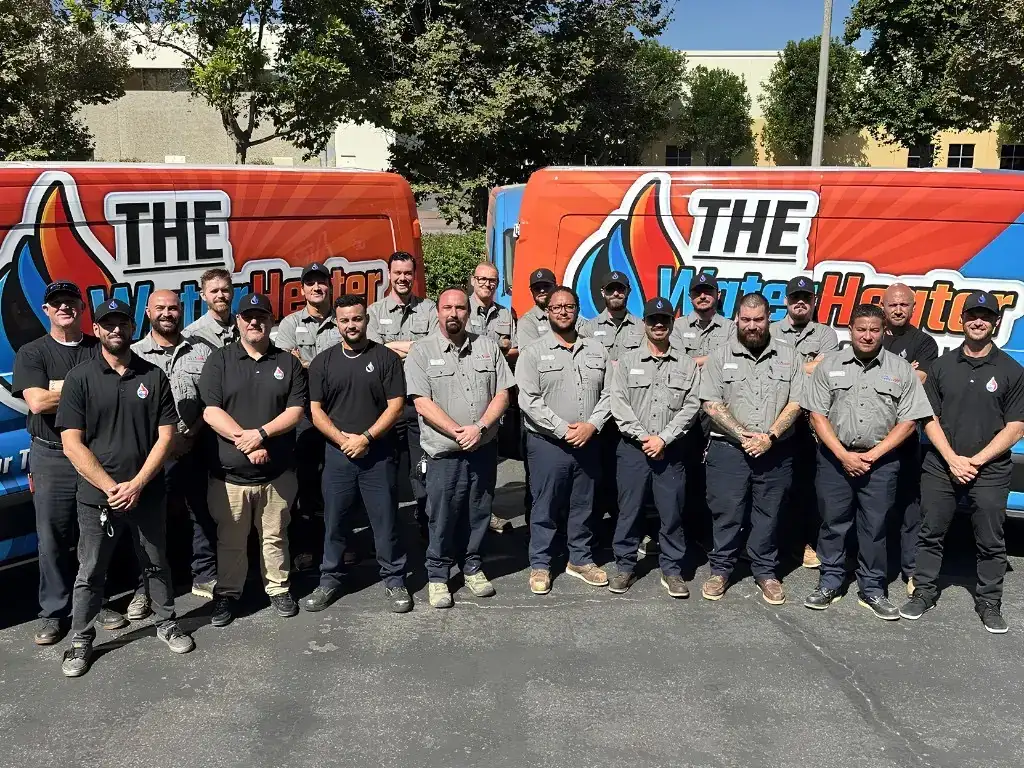
Co-Founder & CEO, THE Water Heater Company
Co-Founder and CEO of THE Water Heater Company, a water heater specialty company built on one clear mission: to be THE trusted name in water heating across Southern California.
Our story started with a simple idea: combine industry-leading expertise with a passion for people. Today, that idea has grown into a company recognized as Your Trusted Water Heater Authority, serving homeowners across Los Angeles, Ventura, Orange County, and Santa Barbara with unmatched quality, care, and transparency.
We believe excellence is not an act. It is a habit. Every member of our team lives by our Core Values: People First, Genuine Care, Raise the Bar, Total Transparency, and Better Every Day.
As a leader, I am driven by growth: of people, of teams, and of impact. My role is to create clarity, alignment, and opportunity so great people can do their best work and live their best lives.
Keep Reading
Related Articles


Ready for hot water?
Ready to Get Started?
Whether you need a repair, maintenance, or new installation — our experts are here to help.