Seasonal Home Maintenance Checklist: Evaluating Your Need for Water Heater Installation This Fall

Is Your Home Ready for the Fall Temperature Shift?
At The Water Heater Company, we've noticed that as the seasons change, many homeowners diligently begin checking off tasks on their seasonal home maintenance checklist, from cleaning out gutters to testing smoke detectors. However, in our experience, the most critical appliance in your home is often the one left off that list entirely: your water heater. When October overnight temperature drops finally arrive, aging plumbing systems face sudden, intense thermal stress. Catching these vulnerabilities early is the difference between a minor tune-up and a major plumbing emergency.
The short answer is that a standard checklist simply isn't enough if it ignores the appliance working hardest behind the scenes. Before the colder months set in, relying on our water heater installation professionals from a dedicated water heater company in Los Angeles ensures your system is truly ready for the cold. You face a critical decision right now: proactively schedule a thorough inspection and flush, or risk a total system failure when you need hot water the most.
The Mechanics of Seasonal Thermal Stress
Most homeowners don't realize that water heaters work significantly harder in the fall and winter, even if your household habits remain exactly the same. During the summer, the municipal water entering your home is already relatively warm. Your water heater only has to raise that temperature by a few degrees to reach your desired setting. But as the weather cools, the groundwater temperature drops right alongside it.
What this means for your tank:
- Increased temperature rise: The system must bridge a much larger gap between the cold incoming water and the hot outgoing water.
- Longer heating cycles: Burners and heating elements must run longer to achieve the same results, accelerating wear and tear on aging components.
- Expansion and contraction: Sudden temperature shifts cause the metal tank to expand and contract more aggressively, which can expose weak points and micro-fractures in older units.
By prioritizing your water heater on your seasonal home maintenance checklist, you address these invisible stressors before they leave you taking a freezing shower on a chilly autumn morning.
The Hidden Fall Threat: Hard Water and Temperature Drops
In our years of maintaining plumbing systems across the San Fernando Valley / Van Nuys area, our team has seen firsthand how local water supplies present a unique set of challenges. The regional water supply contains high levels of dissolved minerals, primarily calcium and magnesium. This hard water accelerates the rate at which sediment builds up inside your water heater tank. Throughout the hot summer months, this buildup often goes unnoticed because the ambient temperatures mask the system's declining efficiency.
However, that sediment acts as a thick, heavy insulator at the bottom of your tank. When the sudden October overnight temperature drops hit Southern California, the system suddenly struggles to heat the incoming cold water through that dense layer of mineral deposits. The heating elements are forced to overwork, consuming excess energy while delivering lukewarm results.
How Seasons Exacerbate Hard Water Issues
Understanding the transition from summer operation to fall strain helps clarify why proactive maintenance is so essential. The compounding effect of increased household hot water demand during chilly mornings pushes heavily sedimented tanks to their breaking point.
| System Factor | Summer Operation (Masked Issues) | Fall/Winter Operation (Exposed Threats) |
|---|---|---|
| Incoming Water Temp | Warm groundwater requires minimal heating effort. | Cold groundwater demands maximum heating capacity. |
| Sediment Layer | Insulating effect is barely noticeable due to low demand. | Blocks heat transfer, forcing elements to run constantly. |
| Component Wear | Short heating cycles limit stress on aging parts. | Extended heating cycles risk burning out elements or gas valves. |
| Tank Integrity | Stable ambient temperatures keep metal expansion minimal. | Rapid temperature shifts stress rusty or weakened tank seams. |
When you combine the specific hard water challenges of the San Fernando Valley with the sudden chill of autumn, older units simply cannot keep up. The sediment not only reduces the volume of water the tank can hold, but it also traps heat at the bottom of the tank, which can warp the metal and lead to catastrophic leaks if ignored.

Evaluating Your Options: Proactive Flush vs. Water Heater Installation
As you work through your seasonal preparations, you will likely face a critical crossroad: should you invest in maintaining your current unit, or is it time to upgrade the system entirely? Making this decision before winter arrives gives you the luxury of choice, rather than forcing you into a rushed replacement during an emergency.
Our dispatch team recently helped a local homeowner who experienced exactly why timing matters. Returning from work during the winter, they found their 10-year-old water heater actively leaking across the floor. Because they reached out to us immediately, our technician was able to arrive within two hours, mitigate the water damage, and install a premium replacement package with an extended warranty. While the situation was resolved quickly, addressing an aging unit proactively in the fall prevents the stress and potential property damage of a sudden winter leak entirely.
When a Flush is No Longer Enough
A professional flush is highly effective for relatively healthy tanks, but our technicians know there are clear signs that a simple cleaning will no longer restore your system's efficiency. If your unit is approaching or exceeding a decade in age, the internal wear may be too advanced.
Key indicators that replacement is the better choice:
- Severe sediment calcification: If the unit has not been flushed in years, the sediment may have hardened into a solid block that cannot be drained.
- Rusty or discolored water: This often indicates that the interior lining of the tank has failed and the steel structure is actively corroding.
- Rumbling or popping noises: These sounds occur when water boils beneath a thick layer of sediment, signaling severe internal strain.
- Frequent minor leaks: Even a tiny drip around the base or the pressure relief valve can quickly escalate into a major rupture when October overnight temperature drops cause the metal to contract.
Weighing the ongoing energy costs of an overworked, sediment-heavy system against the reliable efficiency of a modern upgrade is a crucial part of fall home management. A new system uses significantly less energy to heat the same amount of water, providing a reliable return on investment through lower monthly utility bills.
Why Specialized Expertise Outperforms General Maintenance
When checking items off a seasonal list, it is tempting to hire a general handyman to handle everything from cleaning the gutters to draining the water heater. However, water heaters are complex, pressurized vessels that mix water with electricity or combustible gas. General fall checklists often miss the subtle internal diagnostics required to ensure these systems operate safely.
This is where relying on our specialized expertise at The Water Heater Company makes a profound difference. We frequently see the aftermath of general plumbers simply hooking up a hose and opening the drain valve, whereas our specialists understand the precise, localized challenges of San Fernando Valley / Van Nuys hard water.
The Risks of Improper Flushing
Flushing a heavily sedimented tank requires caution and precision. If an aging drain valve is forced open after years of neglect, the internal seals can break. A generalist might leave you with a valve that refuses to close, turning a routine maintenance task into an immediate flooding hazard. Our specialized technicians carry the exact replacement parts needed to handle these scenarios safely and efficiently.
Specialized Diagnostics vs. General Checks:
- Anode Rod Inspection: Specialists check the sacrificial anode rod, which protects the tank from rusting. Generalists often skip this critical step.
- Gas Valve Calibration: Ensuring the system is calibrated for optimal winter efficiency requires specialized tools and training.
- Venting and Draft Checks: For gas units, ensuring that carbon monoxide is safely venting outdoors is paramount before the home is sealed up for the winter.
- Code-Compliant Evaluations: Specialists ensure your setup meets current safety regulations, providing peace of mind that a basic handyman simply cannot offer.
Relying on targeted, specialized expertise ensures that your system is not just superficially clean, but mechanically sound and prepared for the heavy demands of the upcoming season.
Essential Pre-Winter Water Heater Preparation Steps
To avoid the disruption of losing hot water on a cold morning, every homeowner should follow a structured preparation routine. We frequently remind our customers of a local homeowner who faced a severe winter emergency when their aging unit failed entirely, flooding their garage the day after Christmas. While our rapid response team was able to diagnose the issue and replace the old water heater the very same day, we always advise that proactive maintenance is preferable to emergency disaster recovery.
Before the October overnight temperature drops take their toll, follow these essential steps to assess your system's readiness.
Your Fall Water Heater Checklist
- Conduct a visual inspection: Carefully examine the outside of the tank, the supply lines, and the floor beneath the unit. Look for any signs of rust, corrosion, dried white mineral streaks, or minor base leaks.
- Schedule a professional flush: Have a licensed specialist drain the tank to remove the insulating mineral deposits that force your system to overwork.
- Assess hot water recovery time: Pay attention to how long it takes for your water to reheat after a morning shower. If it takes noticeably longer than it did in the spring, your heating elements may be failing.
- Test the pressure relief valve: A professional will test the Temperature and Pressure (T&P) relief valve to ensure it opens and closes properly, preventing dangerous pressure buildup.
- Plan for an upgrade proactively: If your unit is over eight to ten years old, begin exploring your replacement options now, before an unexpected failure forces your hand.
By treating your water heater as the centerpiece of your fall maintenance routine, you protect your home from sudden water damage and ensure your family's comfort is never interrupted.
Navigating the Process for a New System
If your seasonal evaluation reveals that your current unit is on its last legs, navigating the upgrade process doesn't have to be overwhelming. Educating yourself on what to expect during a professional system swap ensures you make the best long-term decision for your home's unique demands.
The first step is selecting the right capacity. A tank that was perfectly sized for your family five years ago might no longer be sufficient, especially when cold San Fernando Valley / Van Nuys winter mornings increase the overall demand for hot water. Our specialists will help you calculate your peak hour demand to ensure you never run out of hot water during back-to-back showers.
Understanding Local Codes and Efficiency Options
Modern water heater installations require strict adherence to local safety regulations. Navigating permits, seismic strapping requirements, and proper venting configurations is complex. Ensuring your new system meets all California water heater installation codes is critical for both your safety and your home's future resale value.
Exploring High-Efficiency Upgrades:
- Tankless Water Heaters: These systems heat water on demand, eliminating the standby energy loss of keeping a large tank hot 24/7. They are highly efficient and take up significantly less space.
- Heat Pump Water Heaters: By pulling heat from the surrounding air to warm the water, these units offer incredible energy savings.
- High-Recovery Traditional Tanks: If you prefer a standard tank, modern versions feature superior insulation and faster recovery times than models built just a decade ago.
Additionally, upgrading to an energy-efficient model may qualify you for various federal tax credits or local utility incentive programs. While these generic energy rebates change frequently, a modern, highly efficient system will consistently reduce your long-term utility strain, making it a smart investment before the winter heating season begins.
Frequently Asked Questions About Fall Water Heater Care
Why am I running out of hot water faster in the fall?
As the seasons change, the municipal groundwater entering your home becomes significantly colder. Your water heater has to work much harder and longer to raise this cold water to your desired temperature. If your tank has a thick layer of insulating sediment at the bottom, the heating elements will struggle to transfer heat, resulting in lukewarm water that runs out quickly during peak morning usage.
Should I flush my water heater before winter?
Yes, flushing your water heater before winter is one of the most effective ways to protect the system. Removing the accumulated hard water sediment allows the burners or heating elements to operate efficiently. This proactive step reduces thermal stress on the tank, lowers your energy consumption, and helps prevent unexpected breakdowns during the coldest months of the year.
What water heater maintenance is needed for cold weather?
Cold weather maintenance should include a professional tank flush, a thorough visual inspection for rust or micro-leaks, and testing of the temperature and pressure relief valve. Additionally, an expert should inspect the sacrificial anode rod to ensure the internal steel tank is protected from corrosion. Verifying that the gas venting system is clear and drafting properly is also vital for winter safety.
How does hard water affect my water heater's lifespan?
Hard water contains high concentrations of calcium and magnesium, which precipitate out of the water when heated and settle at the bottom of the tank. Over time, this solidifying sediment forces the unit to overheat just to warm the water above it. This constant overheating weakens the metal tank, damages heating elements, and can cut the expected lifespan of a water heater nearly in half if not regularly flushed.
When is a water heater installation a better choice than a repair?
A new installation is generally the better choice if your current unit is over ten years old, requires frequent repairs, or shows signs of severe internal rust (such as discolored hot water). If a professional assessment reveals that sediment calcification is too advanced for a flush, or if the tank itself is beginning to leak, investing in a modern, energy-efficient replacement is safer and more cost-effective than attempting a temporary fix.
Secure Your Home's Comfort Before Winter Arrives
As you finalize your seasonal home maintenance checklist this fall, do not overlook the appliance that works the hardest to keep your family comfortable. Waiting for a total failure on a freezing morning not only disrupts your daily routine but can also lead to extensive property damage. A professional evaluation provides the clarity you need to decide confidently whether to maintain your current unit or upgrade to a more efficient system. By taking action now, you ensure reliable, efficient hot water throughout the upcoming winter season, giving you total peace of mind when the temperatures drop.
About the Author

Anthony Hamilton
Co-Founder & CEO, THE Water Heater Company
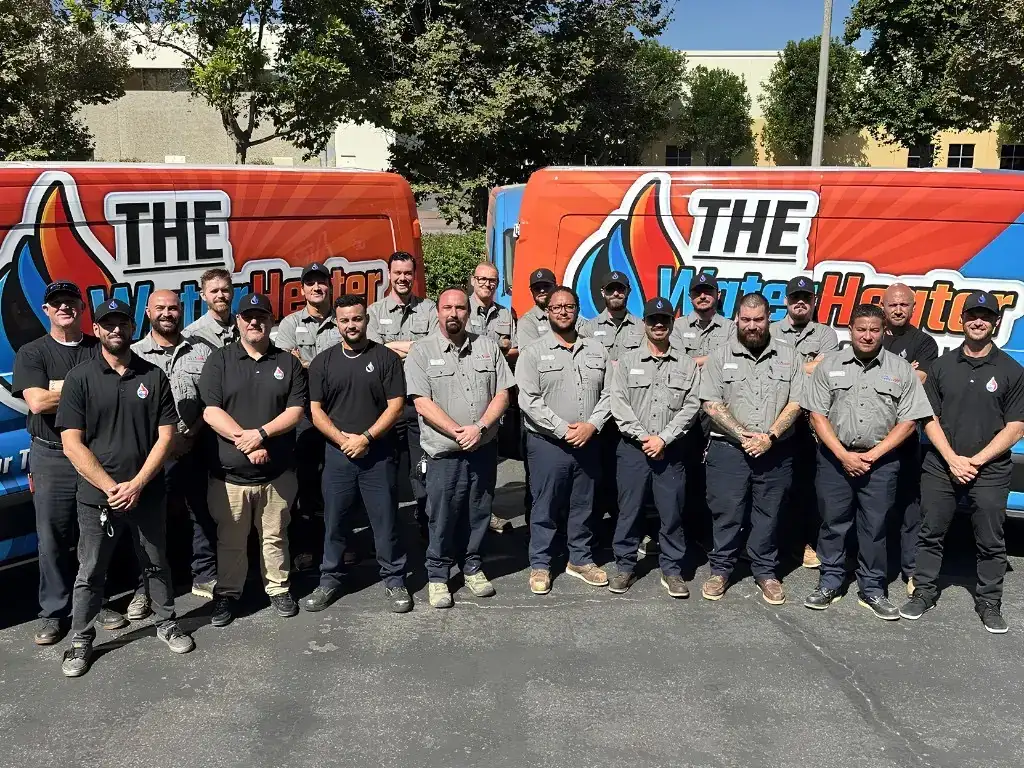
Co-Founder and CEO of THE Water Heater Company, a water heater specialty company built on one clear mission: to be THE trusted name in water heating across Southern California.
Our story started with a simple idea: combine industry-leading expertise with a passion for people. Today, that idea has grown into a company recognized as Your Trusted Water Heater Authority, serving homeowners across Los Angeles, Ventura, Orange County, and Santa Barbara with unmatched quality, care, and transparency.
We believe excellence is not an act. It is a habit. Every member of our team lives by our Core Values: People First, Genuine Care, Raise the Bar, Total Transparency, and Better Every Day.
As a leader, I am driven by growth: of people, of teams, and of impact. My role is to create clarity, alignment, and opportunity so great people can do their best work and live their best lives.
Keep Reading
Related Articles


Ready for hot water?
Ready to Get Started?
Whether you need a repair, maintenance, or new installation — our experts are here to help.