Seasonal Home Maintenance Checklist: Water Heater Vacation Mode Explained

Why Your Showers Are Suddenly Running Cold This Fall
When you start drafting your seasonal home maintenance checklist this mid-fall, your first thought is probably clearing the gutters or testing the furnace. But if your morning shower starts off perfectly hot and then turns lukewarm halfway through, you are experiencing one of the most common—and overlooked—plumbing issues of the October transition. Your water heater is suddenly struggling to keep up with the changing weather, and ignoring this drop in performance risks a total system breakdown right when you need hot water the most during peak winter usage.
For comprehensive water heater resources or to schedule an inspection with the best water heater company in Los Angeles, our team at The Water Heater Company knows that proactive maintenance is the key to a stress-free winter.
In our years servicing homes throughout Van Nuys and the greater San Fernando Valley, we've found that most homeowners assume that because a water heater lives indoors or in a garage, it is immune to the changing seasons outside. The reality is quite the opposite. Seasonal shifts require specific, targeted attention to your plumbing appliances. A water heater that performed flawlessly in August might be on the verge of failure by November. Understanding why this happens, and taking proactive steps to address it, ensures your home remains comfortable and your plumbing remains intact through the colder months ahead.
The Physics of October Temperature Drops and Incoming Water
To understand why your hot water runs out faster in the fall, you have to look underground. The municipal water pipes that supply your home are buried in the earth, and as ambient overnight temperatures fall, the ground cools down with them. By the time October arrives and brings 50-degree overnight lows to the San Fernando Valley, the baseline temperature of the city water entering your home has dropped significantly compared to the summer months. Our technicians see this transition catch homeowners off guard every single year.
Your water heater has one job: take that incoming cold water and raise it to your target temperature, which is typically around 120 degrees. When the incoming water is 70 degrees in the summer, the heater only has to raise the temperature by 50 degrees. When that same incoming water drops to 50 degrees in the fall, the heater suddenly has to work much harder and run much longer to achieve the exact same result.
The impact of this seasonal shift includes:
- Longer recovery times: You will wait longer between showers for the tank to reheat fully.
- Increased energy consumption: Water heating already accounts for roughly 18 percent of a typical home's energy use; forcing the unit to run longer cycles drives that usage even higher.
- Accelerated wear and tear: Extended burner cycles put more thermal stress on the tank itself.
How Summer Heat Masks Hidden Inefficiencies
Intense San Fernando Valley summer heat creates an artificial safety net for aging plumbing appliances. When your water heater is sitting in an unconditioned space like a sweltering garage, the ambient air helps the tank retain its heat effortlessly. This environmental "boost" effectively hides existing efficiency problems.
If your burner is failing or your tank is poorly insulated, you might never notice during July because the surrounding 100-degree air is doing half the work. However, the very first cold snap of mid-fall strips away this seasonal advantage entirely. Without the hot garage acting as an insulator, the unit's true condition is suddenly exposed, leaving you shivering in the shower and wondering what went wrong.
How Sediment Buildup Robs Your Home of Hot Water
The sudden drop in incoming water temperatures is only half of the equation. The other half is what sits at the bottom of your tank. Southern California is notorious for its hard water, which contains high levels of dissolved calcium and magnesium. In our daily service calls, we constantly see how these minerals separate from the water and settle at the bottom of the tank as a thick, sandy sediment.
This sediment buildup acts as a dense insulating barrier between the gas burner (located at the bottom of the tank) and the water inside. Instead of heating the water directly, the burner must first heat its way through inches of hardened mineral deposits.
Signs your tank is suffering from sediment buildup:
- Popping or rumbling noises: Water gets trapped under the sediment layer, boils, and bubbles up violently.
- Fluctuating water temperatures: The thermostat struggles to get an accurate reading through the mineral scale.
- Reduced hot water capacity: Ten gallons of sediment means your 50-gallon tank now only holds 40 gallons of water.
When you combine cold incoming October water with a thick barrier of sediment, the system is forced to run excessively hot for prolonged periods just to reach a baseline temperature. This prolonged heating cycle severely stresses the tank structure. One of our local customers discovered the consequences of this exact scenario the hard way. The day after Christmas, their 13-year-old water heater completely failed and leaked after working overtime through the winter, requiring a rapid emergency replacement from our technicians to restore their hot water.
If you have a different type of system, common problems with tankless water heaters also stem from mineral scale, though it builds up on the heat exchanger rather than sitting at the bottom of a tank.
The Holiday Travel Checklist: What Does 'VAC' Mean on a Water Heater?
As mid-fall transitions into the holiday travel season, preparing your home for extended absences becomes a priority. If you look at the temperature dial on the front of your gas water heater, you will likely see a setting marked "VAC." This stands for Vacation Mode, and utilizing it is one of the smartest things you can do before leaving town.
Turning the dial to the VAC setting lowers the water temperature inside the tank—usually maintaining it somewhere between 50 and 90 degrees, depending on the manufacturer. This temperature is warm enough to prevent any risk of freezing inside the tank, but low enough to dramatically reduce standby heat loss while the house is empty.
| Travel Setting | How It Works | Pros & Cons |
|---|---|---|
| Leaving Unit On (120°) | Maintains full hot water readiness 24/7. | Wastes significant energy heating water no one is using. |
| Using VAC Mode | Drops temp to ~50-90° to prevent freezing. | Saves energy, protects the tank, and pilot stays lit. |
| Shutting Unit Off | Gas valve is completely turned to the "Off" position. | Maximum energy savings, but requires manually relighting the pilot later. |
Using the vacation setting is generally preferred over shutting the unit off entirely because it keeps the pilot light active. Relighting a pilot light after a two-week vacation can be frustrating, especially if the assembly is older or the instructions have faded from the side of the tank.
Gas vs. Electric: Setting Vacation Mode Safely
On a standard gas water heater, the VAC dial is prominently located on the gas control valve near the bottom of the tank. You simply turn the knob from your preferred hot setting down to the VAC marker.
Electric water heaters, however, operate differently. They typically do not have a convenient external dial. Instead, adjusting the temperature requires unscrewing metal access panels, pulling back insulation, and turning a small thermostat screw with a flathead screwdriver. Because this exposes live electrical components, homeowners should always consult their specific manufacturer's manual before making any adjustments, and proceed with extreme caution.
Why Vacation Mode Interacts Differently With Older Units
While utilizing the vacation setting is excellent advice for modern, well-maintained equipment, older units require a more cautious approach. If your water heater has been sitting in a Van Nuys garage for over a decade, heavily loaded with sediment and untouched for years, simply turning the dial down isn't always a risk-free maneuver.
In older gas valves, the internal components can become stiff or corroded. Turning a dial that hasn't been moved in five years can sometimes cause the valve to stick, or cause the pilot light to drop out entirely. Furthermore, heavy sediment buildup around the burner assembly can interfere with the pilot light's normal operation when the main burner isn't cycling frequently to keep the area warm and dry.
As dedicated water heater specialists at The Water Heater Company, we understand the complex interaction between older pilot assemblies and hard water sediment. General plumbers often offer surface-level advice, telling every homeowner to just spin the dial to VAC and leave. But our technicians know firsthand that if a unit is over a decade old, a professional inspection is much safer than forcing dials that refuse to turn. Having our specialists evaluate the system ensures you don't accidentally break a brittle gas valve right before your flight, leaving you scrambling for water heater repair in Glendale or the surrounding valley.
Why Professional Flushing Belongs on Your Seasonal Home Maintenance Checklist
The most effective way to reverse the efficiency lost to sediment buildup and prepare your unit for the heavy demands of winter is a comprehensive tank flush. However, our team strongly advises that this is one item on your seasonal home maintenance checklist that should never be a DIY project.
Online tutorials often make draining a tank look simple, but they rarely mention the hazards. Plastic drain valves on older units become incredibly brittle over time; if you attempt to force one open with a wrench, it can snap off completely, sending dozens of gallons of scalding hot water flooding into your garage. Additionally, simply opening the valve rarely removes hardened sediment—it usually just clogs the valve, leaving it unable to close properly and creating a permanent leak.
The professional flushing process involves:
- Safe System Shutdown: Securing the gas or electrical supply and allowing the water to reach a safe handling temperature.
- Controlled Draining: Using commercial-grade hoses and pumps to safely route the water outside, avoiding property damage.
- Sediment Agitation and Removal: Utilizing specialized techniques to break up hardened calcium deposits at the bottom of the tank so they can be flushed out completely.
- Anode Rod Inspection: Checking the sacrificial anode rod (the component that prevents the tank from rusting) and replacing it if it has been fully depleted by the hard water.
Professional maintenance restores the heating efficiency that was masked during the summer, ensuring your unit is ready to handle cold incoming October water without overworking.

Returning Home: Restoring Your Hot Water Safely
When you return from your holiday travels, restoring your hot water is usually a straightforward process, provided the system is in good health. Simply turn the dial from the VAC setting back to your preferred operating temperature (typically 120 degrees). It is important to give the unit ample time—usually 30 to 60 minutes—to heat the water fully before attempting to run multiple showers or heavy loads of laundry.
However, returning home is also the most common time homeowners discover underlying issues. If you turn the dial up and hear nothing, check the pilot light viewport at the bottom of the tank. Drafts or sediment interference can sometimes extinguish the pilot while you are away. More concerning is returning to find a puddle forming around the base of the tank. The temperature fluctuations of cooling down for vacation and heating back up upon return can sometimes cause micro-fractures in an aging, sediment-weakened tank to finally give way.
If you have an indoor tankless unit rather than a traditional tank, professional maintenance remains just as critical. One of our customers recently called us for winter maintenance on their indoor tankless system; our responding technician wore shoe booties to protect the home's interior and performed a smooth, efficient de-scaling job, ensuring the unit was ready for the cold months ahead.
Whether you have a tank or tankless system, if you discover a leak or a failure upon returning home, shut off the cold water supply valve above the unit immediately. At that point, you will likely require emergency water heater repair in Burbank or wherever your home is located to prevent further water damage.
Protect Your Home Before Winter Arrives
Preparing your water heater is arguably the most critical—yet most frequently forgotten—step in your fall home maintenance routine. The transition from intense summer heat to cool October nights puts immense stress on plumbing appliances, exposing hidden inefficiencies and sediment buildup just as your household's demand for hot water increases.
By understanding how incoming water temperatures affect your system, utilizing the vacation mode setting during holiday travel, and trusting the complex mechanics of older units to specialists, you can avoid freezing showers this winter. Proactive, professional service ensures your equipment operates efficiently, saving energy and providing peace of mind. Don't wait for a breakdown to discover your tank was struggling; schedule a professional inspection and flush today to secure your home's comfort for the season ahead.
Frequently Asked Questions
What should be on a fall home maintenance checklist?
A comprehensive fall home maintenance checklist should include inspecting your roof, clearing your gutters, testing your heating system, and servicing your water heater. Because incoming municipal water temperatures drop in the fall, your water heater has to work significantly harder. Scheduling a professional flush removes insulating sediment, ensuring the unit can handle the increased winter workload efficiently.
Why is my hot water running out faster in the fall?
Your hot water runs out faster in the fall because the incoming city water traveling through underground pipes is much colder than it was in the summer. Your water heater has to expend more energy and time to heat this colder water to your target temperature. If your tank is full of sediment, this process takes even longer, leading to noticeably shorter showers.
What does VAC mean on a water heater?
The VAC setting on a water heater stands for Vacation Mode. Turning the dial to this setting lowers the water temperature inside the tank to roughly 50 to 90 degrees. This prevents the water from freezing while significantly reducing the amount of energy the unit consumes to maintain standby heat while you are away from home.
Should I turn off my water heater when I go on vacation?
It is generally better to use the VAC (Vacation) setting rather than turning the water heater off completely. Using the VAC setting saves a substantial amount of energy but keeps the pilot light lit. If you turn the gas valve completely off, you will have to manually follow the manufacturer's instructions to relight the pilot when you return, which can be difficult on older units.
How do you prepare a water heater for winter?
Preparing a water heater for winter involves having the system professionally flushed to remove calcium and magnesium sediment buildup. A specialist should also inspect the anode rod to ensure the tank isn't rusting from the inside out, and check the pilot assembly for proper operation. This preventative maintenance ensures the unit won't fail when forced to work overtime during cold weather.
Is it safe to flush my own water heater?
No, it is not recommended to flush your own water heater, especially if the unit is older. The plastic drain valves become extremely brittle over time and can snap off if forced, causing scalding water to flood your home. A licensed professional has the correct commercial pumps, hoses, and training to drain the tank safely and agitate the hardened sediment without damaging the equipment.
How long does it take for a water heater to recover after vacation mode?
After turning your water heater dial from the VAC setting back to your normal operating temperature, it typically takes 30 to 60 minutes for the tank to fully recover. The exact time depends on the size of your tank, the specific temperature setting, and whether it is a gas or electric model. Gas water heaters generally recover and heat water faster than electric models.
About the Author

Anthony Hamilton
Co-Founder & CEO, THE Water Heater Company
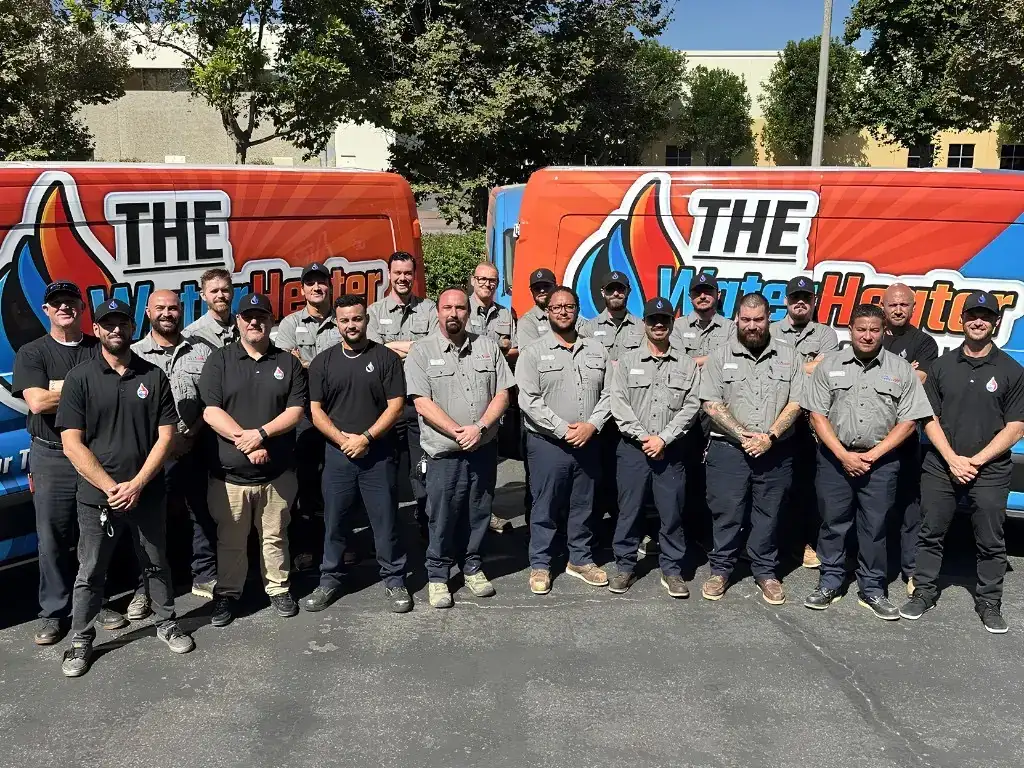
Co-Founder and CEO of THE Water Heater Company, a water heater specialty company built on one clear mission: to be THE trusted name in water heating across Southern California.
Our story started with a simple idea: combine industry-leading expertise with a passion for people. Today, that idea has grown into a company recognized as Your Trusted Water Heater Authority, serving homeowners across Los Angeles, Ventura, Orange County, and Santa Barbara with unmatched quality, care, and transparency.
We believe excellence is not an act. It is a habit. Every member of our team lives by our Core Values: People First, Genuine Care, Raise the Bar, Total Transparency, and Better Every Day.
As a leader, I am driven by growth: of people, of teams, and of impact. My role is to create clarity, alignment, and opportunity so great people can do their best work and live their best lives.
Keep Reading
Related Articles


Ready for hot water?
Ready to Get Started?
Whether you need a repair, maintenance, or new installation — our experts are here to help.