Is a Gas or Electric Water Heater Better for Your Southern California Home?
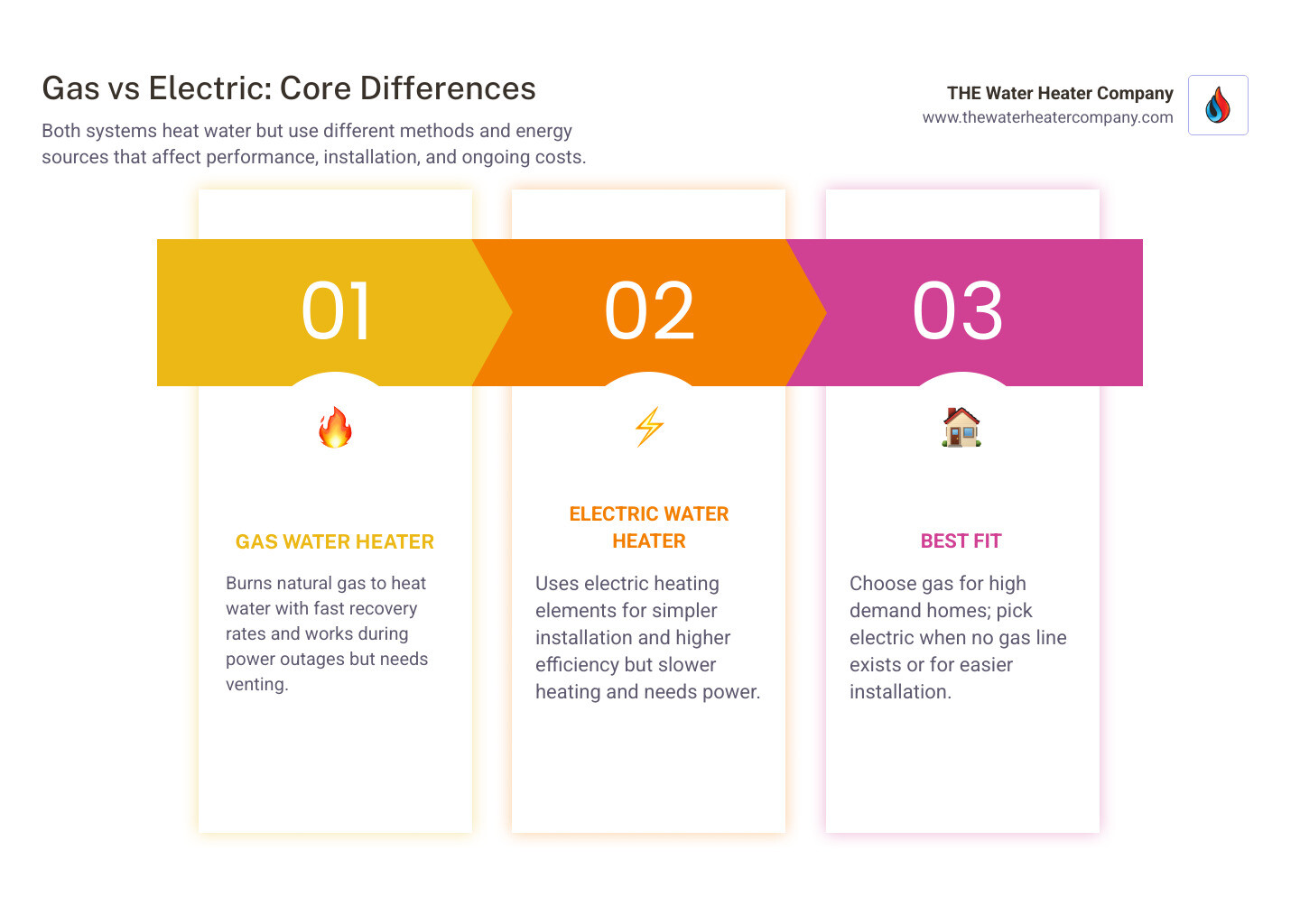
Is a gas or electric water heater better for your home? Here’s the short answer:
| Factor | Gas Water Heater | Electric Water Heater |
|---|---|---|
| Best for | Large households, high hot water demand | Smaller households, homes without gas lines |
| Heating speed | Faster recovery rate | Slower recovery rate |
| Installation | Higher upfront cost | Lower upfront cost |
| Lifespan | 8–12 years (tank) | 10–15 years (tank) |
| Works during power outage? | Yes (pilot ignition models) | No |
| Maintenance | More complex, requires venting | Simpler, fewer parts |
| Energy efficiency | Lower efficiency rating | Higher efficiency rating |
| Best upgrade option | Gas tankless | Hybrid heat pump |
Bottom line: Gas water heaters tend to cost less to run month-to-month and heat water faster, making them a strong fit for larger households with high demand. Electric models are easier to install, safer, and last longer on average. The right choice almost always comes down to what your home is already set up for.
Neither type is universally better. Your existing home infrastructure — whether you have a gas line, your electrical panel capacity, and local Southern California utility rates — is usually the deciding factor.
Water heaters account for roughly 18% of a home’s energy use, so this isn’t a small decision. Whether you’re replacing an aging unit or planning a new installation, understanding the real differences between these two systems helps you avoid a costly mismatch between what you buy and what your home actually needs.
I’m Anthony Hamilton, Co-Founder and CEO of THE Water Heater Company, and after years of installing, diagnosing, and replacing both gas and electric systems across Southern California homes, I’ve seen how the answer to is a gas or electric water heater better almost always depends on the specific setup of the home rather than one type being universally superior. Let’s walk through everything you need to know to make the right call for your household.
Understanding the Core Differences: How Gas and Electric Systems Work
To decide which system fits your lifestyle, it helps to understand what’s happening inside that metal cylinder in your garage or utility closet. While both units have the same goal—delivering a steaming hot shower—they use entirely different physics to get there.
Gas Water Heaters: The Power of Combustion
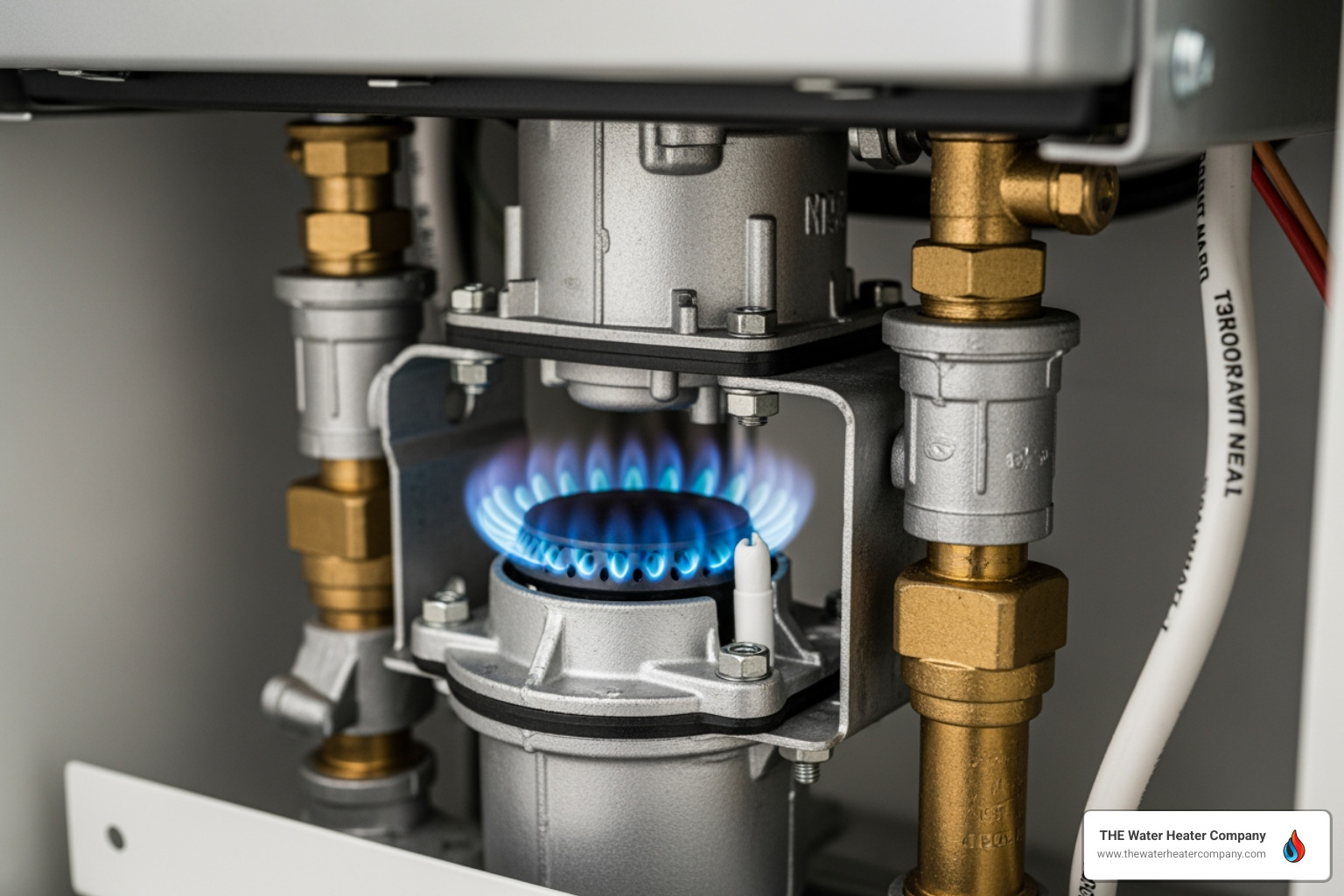
A gas water heater relies on a burner located at the bottom of the tank. When the thermostat senses the water temperature has dropped, it opens a gas valve and ignites the burner (using either a standing pilot light or an electronic ignition). The heat from this flame warms the bottom of the tank and rises through a central flue or “chimney.”
Because this process involves actual fire, gas units require specific infrastructure:
- Ventilation: They must be vented to the outside to safely remove combustion byproducts like carbon monoxide.
- Gas Lines: Your home must have an existing natural gas or propane line.
- Pilot Lights: Traditional models use a small, constantly burning flame, though many modern units now use electronic starters to save energy.
Choosing Between Gas and Electric for Your Home Made Easy often comes down to whether these pipes and vents are already in place.
Electric Water Heaters: Resistance and Efficiency
Electric models are much simpler. Instead of a burner, they use one or two electric resistance elements that sit directly inside the water. Think of it like a giant electric kettle. When the water gets cold, electricity flows through these elements, which heat up and transfer that energy directly to the water.
This simplicity offers several advantages:
- No Venting: Since there is no combustion, you don’t need a flue or chimney.
- Installation Flexibility: They can be tucked into tight closets or crawl spaces where gas venting isn’t possible.
- Electrical Requirements: These units typically require a dedicated 240V circuit, which may necessitate an electrical panel upgrade if you are switching from gas.
For a deeper dive into these technicalities, check out our Understanding My Water Heater Options A Homeowners Guide.
Evaluating Performance: Is a gas or electric water heater better for high-demand households?
When the kids are getting ready for school and the dishwasher is running, performance becomes the only thing that matters. This is where the “recovery rate” comes into play.
Is a gas or electric water heater better for large families in Santa Clarita?
In areas like Santa Clarita or Pasadena, where larger multi-generational homes are common, gas often wins the performance race. Gas burners are significantly more powerful than electric elements, allowing them to heat a full tank of water much faster. This is known as a higher “first-hour rating.”
If your family tends to take back-to-back showers, a gas unit can keep up with the demand more effectively. An electric unit, while efficient, takes longer to “recover” once the tank is drained, which could leave the last person in line with a lukewarm surprise.
Is a gas or electric water heater better when choosing a tankless model?
If you are considering going tankless, the fuel source matters even more. Choosing Your Power Gas vs Electric Tankless Water Heater Performance reveals that gas-fired tankless units generally provide much higher flow rates.
In Southern California, our groundwater isn’t freezing, but it still requires a massive “temperature rise” to reach 120°F. A gas tankless unit can often support two showers and a laundry load at once, whereas an electric tankless model may struggle to provide enough hot water for more than one fixture at a time in a typical residential setup. For more on the “tank vs. tankless” debate, see our guide on Tank vs Tankless Water Heaters.
Efficiency, Lifespan, and Reliability in 2026
As we move through 2026, energy efficiency has become a top priority for homeowners in Los Angeles and Ventura counties. However, “efficiency” can be a bit of a trick word.
| Feature | Standard Gas Tank | Standard Electric Tank | Tankless (Gas or Electric) |
|---|---|---|---|
| Energy Factor (UEF) | 0.67 – 0.82 | 0.90 – 0.95 | 0.95+ |
| Typical Lifespan | 8 – 12 Years | 10 – 15 Years | 20+ Years |
| Maintenance Need | Moderate (Flushing/Venting) | Low (Anode Rod) | Annual Descaling |
Electric water heaters are technically more efficient at the point of use because they convert nearly all the energy they consume into heat. Gas units lose some heat through the ventilation flue. However, because natural gas has historically been cheaper than electricity in California, the gas unit often results in a lower monthly utility bill despite being “less efficient” on paper.
In terms of reliability, electric units have the edge. With fewer moving parts and no combustion process, they typically last 10 to 15 years. Gas units, dealing with the stress of fire and corrosive exhaust, usually see a lifespan of 8 to 12 years. Regardless of the type, sediment buildup is the “silent killer” of water heaters in Southern California’s hard water areas. Regular flushing and anode rod replacement (usually around year five or six) are essential to hitting these lifespan milestones.
Safety Considerations and Home Infrastructure
Safety is a major factor when asking is a gas or electric water heater better. While both are safe when professionally installed, they carry different risks.
Gas Safety and Codes
Gas units carry the risk of gas leaks and carbon monoxide poisoning if not vented correctly. This is why California plumbing codes are so strict about ventilation and the installation of carbon monoxide detectors. Additionally, in earthquake-prone areas like Irvine and Santa Barbara, seismic strapping is a legal requirement to prevent the unit from tipping and breaking a gas line during a tremor.
Electric Infrastructure
The primary “safety” hurdle for electric units is your home’s electrical capacity. Many older homes in Los Angeles were built with 100-amp panels. Adding a heavy-draw 240V electric water heater might require a panel upgrade to handle the load safely.
Power Outage Reliability
One unique advantage of gas: if the power goes out in Camarillo during a storm, you’ll still have hot water—provided you have a traditional pilot light model. Modern gas units with electronic ignitions and all electric units will stop heating water as soon as the grid goes down.
If you’re torn between these safety and infrastructure hurdles, our article on Should I Go Tankless or Stick With a Traditional Water Heater can help clarify your path.
Beyond the Tank: Considering Hybrid and Heat Pump Alternatives
If you want the absolute best efficiency available in 2026, you have to look at Hybrid Heat Pump water heaters. These are “electric” units, but they don’t just use resistance elements. Instead, they work like a refrigerator in reverse, pulling heat from the surrounding air and moving it into the water tank.
Why Hybrid is a game-changer:
- Efficiency: They are 3 to 4 times more efficient than standard electric tanks.
- Dehumidification: They naturally dehumidify the air around them, which is great for damp California garages.
- Solar Integration: If you have solar panels, a hybrid unit is the ultimate way to “store” your solar energy as hot water.
While these units require more air space and a place to drain condensate, they often qualify for significant local rebates in Southern California. You can learn more about these advanced systems on our services page.
Frequently Asked Questions
What are the main disadvantages of an electric water heater?
The biggest drawbacks are the slower recovery time and the lack of hot water during power outages. If you have a large family taking sequential showers, an electric tank may struggle to keep up. Additionally, electricity rates in Southern California can make these more expensive to operate than gas models.
Is it worth switching from electric to gas in Los Angeles?
Generally, it is only worth the switch if a gas line is already very close to the installation site. The cost of running new gas lines and installing a ventilation system through the roof or wall can be substantial. However, if you have very high hot water demand, the long-term utility savings and performance of gas might justify the initial investment.
How can I tell if my current unit is gas or electric?
Look for these signs:
- Venting: If there is a metal pipe coming off the top of the unit, it’s gas.
- Energy Source: Look for a yellow gas valve and a flexible gas line at the bottom. Electric units will have a thick, metal-clad electrical cable (conduit) entering the top or side.
- Pilot Window: Gas units usually have a small access panel at the bottom where you can see a blue flame or a “status” light.
Conclusion
So, is a gas or electric water heater better? For most Southern California homeowners, the answer is written in the pipes and wires already in your walls. If you have gas, staying with gas—or upgrading to a gas tankless—is usually the most cost-effective move. If your home is all-electric, a high-efficiency hybrid heat pump is the gold standard for 2026.
At THE Water Heater Company, we don’t believe in one-size-fits-all solutions. Whether you’re in Santa Barbara, Santa Clarita, or Irvine, our expert technicians provide professional diagnostics to help you choose the system that fits your home’s infrastructure and your family’s needs. We specialize in everything from traditional tank repairs to the latest tankless and hybrid installations.
Schedule your expert water heater installation or repair today and let us help you find the perfect balance of comfort, efficiency, and reliability.

The Essential’s
Call THE Water Heater Company today to get immediate help with your water needs.
“
-

“Fair Pricing & Expert Service”
Their technician Gonzo, was clearly very competent and more importantly, he took the time and effort to do a really fantastic job.
-
“Fantastic Service!”
THE Water Heater Company understood the situation I was going through. They were able to help me out and get the job done quickly.
-
“Reasonable Pricing”
Kevin did a great job on replacing my old leaky yet still working water heater. He answered all my questions and explained all the details. -
“Quick Response Time”
He was very informative and responsive to my questions and when I am making a huge investment in my home I want to be sure I am going with a company I could count on and would not cut corners. -
“Real Professionals”
Communication was great with the owner and they were very responsive, ensuring a first-class installation and experience.
-
“Great Service”
Not only did he do the service we needed, but checked the whole unit in addition to other waterline components. -
“Professional and Responsive”
They have repaired my water heater, installed a hot water recirculating pump, and now installed a new water heater. -
“Real Professionals”
It took a little over three hours but no management was necessary as the guys were very competent and clearly have been doing this for a long time.