Water Heater Installation and Troubleshooting: Managing Hard Water Sediment Before Winter

The Hidden Cost of Hard Water on Your Home's Plumbing
When applying early fall home maintenance tips and troubleshooting to your plumbing, you might notice your water heater taking much longer to recover after a shower or making strange rumbling noises from the garage. During the September pre-heating transition, your home's hot water demand begins to shift. As the weather slowly cools, the incoming groundwater temperature drops with it. A water heater that performed perfectly fine during the peak of summer suddenly has to work significantly harder to raise that colder water to your desired set temperature.
This seasonal transition is the ultimate stress test for your plumbing infrastructure. For many homeowners, the sudden drop in performance isn't just a symptom of a changing season—it is the direct result of a hidden problem accumulating inside the tank all year long. Local water quality plays a massive role in how efficiently your system operates, and ignoring the early warning signs can lead to total system failure right when you need hot water the most. If you need professional water heater installation in Southern California, securing expert help early ensures your daily routine remains uninterrupted.
The early fall decision point:
- Assess the symptoms: Are showers running cold faster than they did in July?
- Listen to the tank: Is the unit making popping, hissing, or rumbling sounds?
- Evaluate the age: Is the system approaching the end of its expected lifespan?
Homeowners face a critical choice before winter arrives: schedule a professional system flush to mitigate internal buildup or preemptively replace an aging unit before colder overnight temperatures maximize the unit's workload. Making the right choice requires understanding exactly what is happening inside that steel tank.
Understanding the Sediment Barrier: How Mineral Buildup Affects Performance
To understand why your system loses efficiency, you have to look at the water flowing through it. According to United States Geological Survey (USGS) water hardness data, municipal water supplies contain varying levels of dissolved minerals, primarily calcium and magnesium. The San Fernando Valley and the greater Los Angeles area are known for having "very hard" municipal water supplies. While these minerals are perfectly safe for daily consumption, they are incredibly destructive to plumbing appliances over time.
The Science of Calcification
When hard water enters your water heater and is subjected to high temperatures, a chemical reaction occurs. The heat causes the dissolved calcium and magnesium to precipitate out of the water. Because these minerals are heavier than water, they settle at the very bottom of the tank. Over months and years of constant heating cycles, this loose sediment bakes into a hardened, calcified layer known as scale.
The Insulator Effect:
- Physical separation: In a gas water heater, the burner is located at the bottom of the tank. The sediment forms a thick, rock-like barrier directly between that heat source and the water it is trying to heat.
- Wasted energy: The burner must now heat the metal tank, then heat the thick layer of calcified rock, and only then can that heat transfer into the water.
- Overheating components: Because the heat cannot transfer efficiently, the bottom of the tank overheats, causing extreme stress on the metal and the protective glass lining inside.
This barrier forces the unit to consume much more energy to achieve the same results, leading to a severe drop in efficiency. Your gas or electric bills slowly creep up, while your available hot water capacity steadily shrinks. In neighborhoods across Van Nuys, this compounding sediment barrier is the number one cause of premature water heater failure.

Diagnosing the Symptoms: What Those Rumbling Noises Mean
Most plumbing problems develop silently, but heavy sediment buildup usually provides a clear auditory warning. If you stand near your water heater while it is actively heating, you might hear sounds that resemble a percolating coffee pot, a low rumble, or distinct popping noises. These sounds are not normal operational noises; they are a direct symptom of severe calcification.
The Physics of the Popping Sound
As the thick layer of sediment hardens at the bottom of the tank, a small amount of water inevitably gets trapped underneath the mineral crust, directly against the hottest part of the metal tank. When the burner turns on, this trapped water heats up much faster than the rest of the tank. It quickly turns into steam. The popping and rumbling noises you hear are actually those pressurized steam bubbles violently bursting through the hardened mineral layer to escape to the top of the tank.
The dangers of ignoring the noise:
- Thermal shock: The continuous localized overheating and sudden cooling as steam escapes causes the steel tank to expand and contract unevenly.
- Micro-fractures: This intense thermal stress eventually creates microscopic cracks in the protective glass lining inside the tank.
- Rust and catastrophic failure: Once the glass lining is compromised, water reaches the raw steel, leading to rapid rusting and, eventually, a sudden leak.
Catching these symptoms early during the September pre-heating transition can prevent emergency flooding situations during the colder months. A typical pattern we see during winter emergencies involves older, ten-year-old units that begin leaking unexpectedly due to this exact process. In one instance, a homeowner returned to a leaking unit and required immediate intervention. A technician arrived within two hours, diagnosed the sediment-induced failure, and installed a new unit with an extended warranty to restore service before the cold night set in. Diagnosing these noises accurately always requires a trained professional rather than guesswork.
The Professional Flush: When Maintenance is the Right Choice
If your water heater is relatively young and has only just begun showing signs of minor sediment buildup, a professional flush is highly effective at restoring efficiency and preventing long-term damage. However, clearing out calcified sediment safely is a complex process that goes far beyond simply opening a valve.
Why DIY Flushing is Highly Dangerous
Many online guides suggest that homeowners can drain their own water heaters using a garden hose. This is strongly discouraged for several critical reasons. First, the water inside the tank is hot enough to cause severe, instantaneous scalding if a hose slips or a valve malfunctions. Second, the plastic drain valves on residential water heaters become incredibly brittle after just a few years of heat exposure. If a homeowner attempts to force a stuck valve open, it frequently snaps off entirely, resulting in an unstoppable flood of scalding water into the garage or home. Finally, improper draining procedures can introduce air pockets into the system, which can instantly burn out the heating elements in electric units or cause dangerous pressure imbalances in gas units, potentially voiding the manufacturer's warranty.
The Professional Maintenance Process
A licensed technician follows a meticulous, multi-point protocol to safely service the system:
- System Isolation: The technician safely shuts down the gas or electrical supply and isolates the cold water intake to neutralize tank pressure.
- Anode Rod Inspection: The professional will inspect the sacrificial anode rod—a crucial metal component designed to attract corrosive elements in the water so they eat the rod instead of the tank lining. If the rod is depleted, it is replaced to extend the tank's life.
- Controlled Extraction: Instead of relying on gravity and a garden hose, a professional often uses heavy-duty transfer pumps and specialized descaling solutions to break up and extract stubborn, hardened scale that would otherwise clog a standard drain valve.
- Safety Verification: Once the tank is cleared, the technician tests the Temperature and Pressure Relief (TPR) valve to ensure the system can safely vent excess pressure, then carefully re-ignites and calibrates the system.
The ideal candidate for this service is a unit under six years old. Regular professional maintenance keeps the sediment barrier from forming, ensuring your system operates at peak efficiency.
Deciding to Upgrade: Signs It's Time for a Replacement
Maintenance can only extend a system's life for so long. Once a water heater surpasses the 10-to-12-year mark, heavy sediment buildup often cannot be safely flushed. At this advanced age, the calcified scale may actually be the only thing plugging existing micro-fractures in the tank. Flushing an old, heavily scaled tank often exposes these cracks, causing the unit to start leaking immediately after the service.
Understanding the framework for deciding whether to repair or replace your water heater helps you make a financially sound investment. The cost of repeated repairs, combined with the severe energy loss caused by a decade of sediment buildup, makes preemptive replacement a much wiser choice.
Repair/Flush vs. Replace Criteria
| Condition Indicator | Favor Professional Flush | Favor Full Replacement |
|---|---|---|
| System Age | Under 8 years old | Over 10-12 years old |
| Operational Noise | Quiet or very faint ticking | Loud popping, banging, or rumbling |
| Water Quality | Clear hot water | Rusty, discolored, or metallic-smelling water |
| Leak Status | No visible moisture around base | Pooling water, corrosion on fittings |
| Recovery Time | Normal recovery after heavy use | Constantly running out of hot water quickly |
Another situation we frequently encounter during the colder months involves sudden leaks that require a complete tank replacement. A family dealing with a severely leaking unit reached out for emergency assistance. A dedicated team arrived within a couple of hours, swapped out the failed tank for a new system, and provided a professional, efficient installation that restored their hot water quickly. Preemptively upgrading before a total failure provides immense peace of mind. Furthermore, homeowners should note that generic utility rebates and federal tax credits may be available for qualifying high-efficiency upgrades, making a modern replacement more accessible than ever. Always verify current programs with a tax professional or your local utility provider.
Exploring Your Options: Tank and Tankless Solutions
If your system is due for an upgrade, you have more options today than ever before. Modern water heating technology has advanced significantly, and choosing the right system requires balancing your household's hot water demand with your home's existing infrastructure.
Traditional Tank Water Heaters
Standard tank water heaters remain the most common choice due to their lower upfront installation costs and simple integration into existing plumbing setups. Modern tanks feature much better insulation than units built a decade ago, reducing standby heat loss. However, they still heat and store a finite amount of water, meaning heavy usage can deplete the supply, and they remain susceptible to hard water sediment accumulation over time.
Tankless Water Heaters
When comparing tank vs. tankless replacement options, the primary advantage of a tankless system is its ability to provide a continuous, on-demand supply of hot water. Because they do not store water, they eliminate standby energy loss and free up valuable garage space. However, tankless units have strict maintenance requirements; the heat exchangers must be professionally descaled annually, especially in areas with very hard water, to prevent mineral fouling. Upgrading to tankless often requires retrofitting the gas line and venting systems to accommodate the higher sudden energy draw.
Heat Pump Water Heaters
Heat pump water heaters are highly efficient systems that pull ambient heat from the surrounding air to heat the water, rather than generating heat directly. They easily meet rigorous Department of Energy (DOE) efficiency guidelines. However, local climate plays a massive role in their performance. The extreme summer heat in Southern California can severely stress heat pump systems located in unconditioned garages if they are not properly installed and maintained. By the time fall arrives, a system that ran constantly through August heat waves may require professional calibration to ensure it operates efficiently through the winter.
Why Dedicated Specialists Matter for Your Installation
Water heater replacement is not a generic plumbing chore; it is a highly specialized task that requires strict adherence to local building and safety codes. A general handyman might know how to connect pipes, but they often lack the specialized training required to ensure the system operates safely and efficiently for the next decade.
The Importance of Code Compliance
In California, seismic activity dictates strict installation protocols. A dedicated specialist ensures the tank is properly secured with heavy-duty seismic strapping positioned correctly on the upper and lower thirds of the tank, complete with proper wall blocking. Proper structural installation prevents the unit from tipping and severing the gas line during an earthquake.
Venting and Carbon Monoxide Safety:
- Drafting requirements: Gas water heaters must be vented perfectly to ensure deadly carbon monoxide is expelled safely outside the home.
- Clearance codes: Specialists understand the exact combustible clearance codes required for different types of venting materials (such as Category I vs. Category III venting).
- Expansion tanks: A specialist will assess your home's water pressure and install a thermal expansion tank if required by local municipal codes to protect your plumbing from pressure spikes.
A meticulous approach makes a significant difference. In one spring service call, a homeowner discovered that a previous installation by a general contractor lacked a crucial structural component, leading to unnecessary repair needs. A dedicated specialist handled the new installation, providing a much more thorough and structurally sound setup that prevented future expenses. Hiring professionals who understand California water heater installation codes ensures your new investment is protected from day one.
Frequently Asked Questions About Water Heater Troubleshooting
Why is my water heater making a popping noise?
Popping or rumbling noises are caused by steam escaping from beneath a thick layer of mineral sediment at the bottom of the tank. As the burner heats the tank, water trapped under the calcified scale boils into steam and violently bursts through the crust. This is a clear indicator of severe hard water buildup. Ignoring this sound can lead to thermal stress and microscopic cracks in the tank lining.
How does hard water affect a water heater?
Hard water leaves heavy mineral deposits, primarily calcium and magnesium, which bake onto the bottom of the tank and the heating elements. This sediment acts as a powerful insulator between the heat source and the water, severely reducing the unit's energy efficiency. Over time, this forces the system to run longer and hotter, increasing wear and tear and drastically shortening the lifespan of the appliance.
Should I flush my water heater or replace it?
The decision depends heavily on the age and condition of the unit. As a general rule of thumb, newer units (under eight years old) benefit greatly from a professional flush to remove loose sediment and restore efficiency. However, units over 10 years old with severe, calcified buildup usually require replacement, as attempting to flush a heavily degraded tank often exposes existing micro-fractures and causes immediate leaks.
How do I know if my water heater needs to be replaced?
Key indicators that it is time for a replacement include an age of over 10 to 12 years, rusty or metallic-smelling hot water, and frequent pooling of moisture around the base of the tank. Additionally, a consistent lack of hot water despite repeated repairs strongly suggests the internal components are failing. Loud, banging noises during operation are also a sign that the tank has suffered irreversible sediment damage.
Why is a professional flush safer than a DIY drain?
A professional flush is safer because technicians use specialized equipment and protocols to manage scalding hazards and safely neutralize tank pressure. DIY draining carries severe risks, including breaking brittle plastic drain valves, which can flood your home with boiling water. Furthermore, a simple gravity drain with a garden hose often fails to properly clear calcified scale, rendering the DIY attempt ineffective while exposing the homeowner to physical danger.
Preparing Your Home for the Colder Months
Managing hard water sediment is the absolute key to maintaining plumbing efficiency during the winter. As the September pre-heating transition brings colder groundwater to your home, a system choked by mineral buildup will struggle to keep up with your family's daily needs, driving up your energy bills and risking a sudden breakdown.
Having a clear framework for deciding between professional maintenance and a full system upgrade provides immense peace of mind. You don't have to wait for an icy morning shower to take action. Encourage a proactive approach and explore professional assessment options to ensure your system is fully prepared for the temperature drop. If you are ready to secure your home's comfort, reaching out to a trusted water heater company in Los Angeles is the smartest step you can take today.
About the Author

Anthony Hamilton
Co-Founder & CEO, THE Water Heater Company
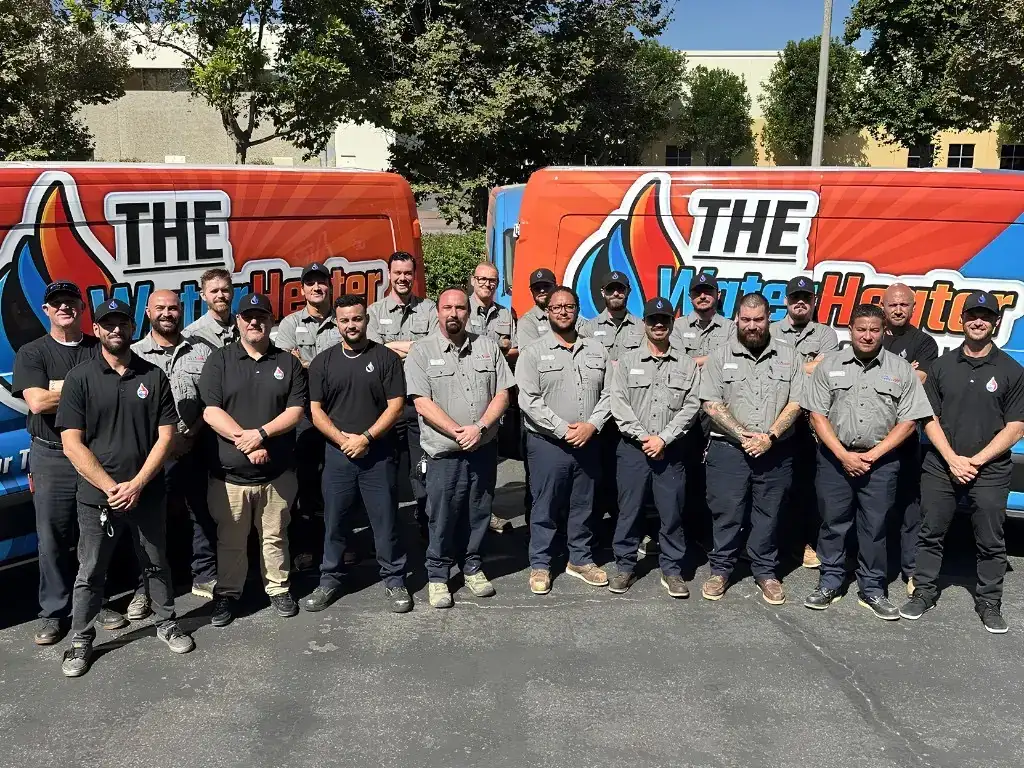
Co-Founder and CEO of THE Water Heater Company, a water heater specialty company built on one clear mission: to be THE trusted name in water heating across Southern California.
Our story started with a simple idea: combine industry-leading expertise with a passion for people. Today, that idea has grown into a company recognized as Your Trusted Water Heater Authority, serving homeowners across Los Angeles, Ventura, Orange County, and Santa Barbara with unmatched quality, care, and transparency.
We believe excellence is not an act. It is a habit. Every member of our team lives by our Core Values: People First, Genuine Care, Raise the Bar, Total Transparency, and Better Every Day.
As a leader, I am driven by growth: of people, of teams, and of impact. My role is to create clarity, alignment, and opportunity so great people can do their best work and live their best lives.
Keep Reading
Related Articles


Ready for hot water?
Ready to Get Started?
Whether you need a repair, maintenance, or new installation — our experts are here to help.