Why We Refuse to Install Big-Box Store Water Heaters for Our Clients
Retail water heaters may look identical to professional units, but their cheaper internal components often lead to premature leaks. Here is exactly where the extra money goes.

Retail water heaters may look identical to professional units, but their cheaper internal components often lead to premature leaks. Here is exactly where the extra money goes.
The Hidden Truth Behind Water Heater Price Tags
You might be holding a professional quote in one hand while looking at online prices, wondering exactly why we refuse to install big-box store water heaters for our clients. It is a completely natural reaction. When you walk down the plumbing aisle at a local hardware store, the water heaters lined up on the shelves look practically identical to the ones a professional contractor supplies. They feature the same gray or white metal jackets, display similar energy efficiency stickers, and often even carry the exact same brand names on the front. However, that visual similarity is exactly where the comparison ends.
The short answer is that the exterior metal jacket is just a shell hiding a completely different set of internal mechanics. Manufacturers produce different tiers of equipment to satisfy different markets. To meet the aggressive pricing demands of massive retail chains, manufacturers must cut production costs somewhere. They achieve this by substituting robust internal parts with cheaper, lighter-weight alternatives. When you are deciding between a cheaper big-box store water heater or investing in a contractor-supplied unit with higher-quality internal components, you are actually deciding how many years you want the system to survive.
The Professional Methodology
As professional installers, our methodology is built on long-term reliability. We strictly supply and install professional contractor-grade water heater models rather than retail-grade versions because we have seen firsthand what happens when inferior parts fail. When a homeowner purchases a retail unit, the upfront cost savings are quickly erased by early breakdowns, unexpected leaks, and premature replacement needs.
If you are exploring water heater installation services, it is critical to understand exactly what you are paying for. A contractor-grade unit represents an investment in heavy-duty engineering designed to protect your home for the long haul. Let's break down the hidden mechanical differences that dictate the true value of your hot water system.
Plastic vs. Brass: The Drain Valve Vulnerability
One of the most critical component differences between retail-grade and professional contractor-grade water heater models sits right at the bottom of the tank: the drain valve. This small component plays a massive role in the lifespan of your system. To keep a water heater functioning efficiently, it must be flushed regularly to remove the heavy sediment that settles at the bottom of the tank. The drain valve is the gateway for this routine maintenance.
In professional-grade units, this valve is forged from solid brass. Brass is incredibly durable, highly resistant to extreme temperature fluctuations, and immune to the specific type of stress that comes from attaching and removing a heavy garden hose year after year. Retail models, on the other hand, almost universally utilize plastic drain valves to shave a few dollars off the manufacturing cost.
The Mechanics of a Valve Failure
Plastic drain valves are highly vulnerable to the harsh realities of water heating. Over time, constant exposure to high heat and internal tank pressure causes the plastic to become brittle. When a homeowner or technician attempts to attach a hose to flush the system, several catastrophic failures commonly occur with these retail-grade valves:
- Cross-threading: The soft plastic threads easily strip when a metal hose fitting is attached, ruining the seal.
- Seizing: The internal plastic mechanism locks up due to heat expansion, making it impossible to open the valve without snapping the handle.
- Micro-cracking: The sheer weight of a water-filled hose pulling on a brittle plastic neck causes hairline fractures that eventually rupture.
This vulnerability is severely amplified in our region. Southern California's notoriously hard water accelerates scale buildup, which aggressively attacks and seizes cheap plastic drain valves. When scale cements a plastic valve shut, routine maintenance becomes impossible without breaking the valve entirely. Once a plastic valve snaps, you are left with an uncontrolled leak and a flooded garage.
| Component Feature | Professional-Grade (Solid Brass) | Retail-Grade (Plastic) |
|---|---|---|
| Heat Tolerance | Excellent; maintains structural integrity under extreme heat. | Poor; becomes brittle and warps over time. |
| Thread Durability | Resists stripping when attaching metal hose fittings. | Highly prone to cross-threading and stripping. |
| Scale Resistance | Can be forcefully opened and cleaned if scale builds up. | Seizes completely; forcing it will snap the valve neck. |
| Maintenance Reliability | Allows for decades of safe, routine flushing. | Often fails during the very first maintenance attempt. |

Anode Rods and the Fight Against Internal Corrosion
If the drain valve is the gateway for maintenance, the anode rod is the internal shield protecting your tank from destroying itself. Every steel water heater tank is lined with glass to prevent the water from rusting the metal. However, water will always find microscopic imperfections in that glass lining. To prevent the steel from rusting out, manufacturers install an anode rod—a long metal wand that hangs down inside the tank.
The anode rod is a sacrificial component. Through a process called galvanic corrosion, the corrosive elements in the water are magnetically attracted to the anode rod instead of the steel tank walls. The rod literally sacrifices itself, rusting away so your tank does not have to. This is where the difference between retail and professional units becomes a serious matter of property protection.
Thickness and Material Composition
Professional contractor models are equipped with thick, heavy-duty anode rods made of higher-grade magnesium or aluminum. These robust rods provide years of reliable protection. Retail units cut costs by installing significantly thinner, lower-grade anode rods. Because there is less sacrificial metal available, a retail anode rod depletes much faster.
Once that thin rod is fully eaten away, the corrosive elements immediately turn their attention to the steel tank. The tank begins rusting from the inside out, inevitably leading to structural failure. A recent winter service call perfectly illustrates this progression. A local family reached out when their tank began leaking heavily, flooding the surrounding area. Upon inspection, the internal components had completely degraded, and the unit required immediate replacement. We arrived within a couple of hours and replaced the compromised system with a heavy-duty pro-grade tank, restoring their hot water efficiently.
This rapid depletion is a massive issue when you consider how hard water hurts your water heater. Southern California's hard water contains incredibly high levels of calcium and magnesium, which dramatically accelerates scale accumulation and forces the anode rod to work much harder. A robust, professional-grade rod is absolutely critical in our region. The upfront cost savings of a big-box unit are completely wiped out by the long-term replacement costs you face when an inferior anode rod allows your tank to rust through years ahead of schedule.
Heating Elements and Peak Summer Recovery Rates
Beyond durability, the internal components dictate how well your system actually performs when your family needs it most. For electric water heaters, the heating elements are the engines driving your hot water supply. The performance of these elements is measured by the system's recovery rate—which is simply how quickly the water heater can heat a fresh tank of cold water after the existing hot water has been depleted.
Retail-grade electric units frequently feature lower-wattage heating elements to keep manufacturing and retail shipping costs as low as possible. Under light usage, a homeowner might not immediately notice the difference. However, real-world household demands quickly expose the weakness of a low-wattage element.
Handling High-Demand Scenarios
Consider the extreme demand placed on your plumbing during peak summer household water usage. It is common for a family to run multiple showers after a long day in the heat, run heavy loads of laundry, and operate the dishwasher simultaneously. A retail-grade water heater with lower-wattage elements will struggle to keep up with this rapid depletion. The recovery time drags on, leaving family members shivering in cold showers while waiting for the tank to slowly heat back up.
Professional contractor-grade water heater models are engineered with optimized, high-wattage heating elements designed for rapid recovery. These robust elements transfer heat into the water much more efficiently, ensuring that even during high-load summer scenarios, your system maintains consistent hot water delivery. When you invest in a professional unit, you are paying for the peace of mind that your system has the horsepower to handle your family's actual daily routine without falling behind.
Why Our Professional Methodology Protects Your Home
When we explain these mechanical differences to homeowners, it becomes clear that our refusal to install retail-grade units is not a sales tactic or an upsell. It is a fundamental protective measure for your property and a defense of our professional reputation. As a licensed contractor, our name and warranty are attached to every single unit we put into a home.
We cannot, in good conscience, stand behind a product that is engineered with plastic valves and thin anode rods destined to fail prematurely. The hidden costs of retail units are substantial. Saving a fraction of the cost upfront on a big-box unit almost always leads to early replacement costs, frustrating service interruptions, and the very real threat of catastrophic water damage when a cheap tank ruptures.
A Non-Negotiable Baseline for Quality
Our business operates on a strict commitment to supplying only professional-grade units. We view superior solid brass components and high-quality, thick anode rods as a non-negotiable baseline for quality assurance. If a unit does not meet these rigorous internal standards, it does not go on our trucks.
We see the aftermath of upfront cost savings versus long-term replacement costs due to inferior components every single week. Homeowners who bought retail units end up paying for a second installation, a second water heater, and sometimes drywall repairs just a few years later. By providing professional water heater estimates that accurately reflect the cost of heavy-duty, reliable equipment, we ensure our clients are making an investment that actually lasts. We prioritize long-term reliability over short-term, low-quality fixes.
Installation Quality Meets Component Quality
Having a professional contractor-grade water heater model is only half of the equation. The reality of plumbing is that even the highest-quality, most expensive unit on the market will fail prematurely if it is installed improperly. Component quality must be matched with meticulous installation quality to maximize the lifespan of the system.
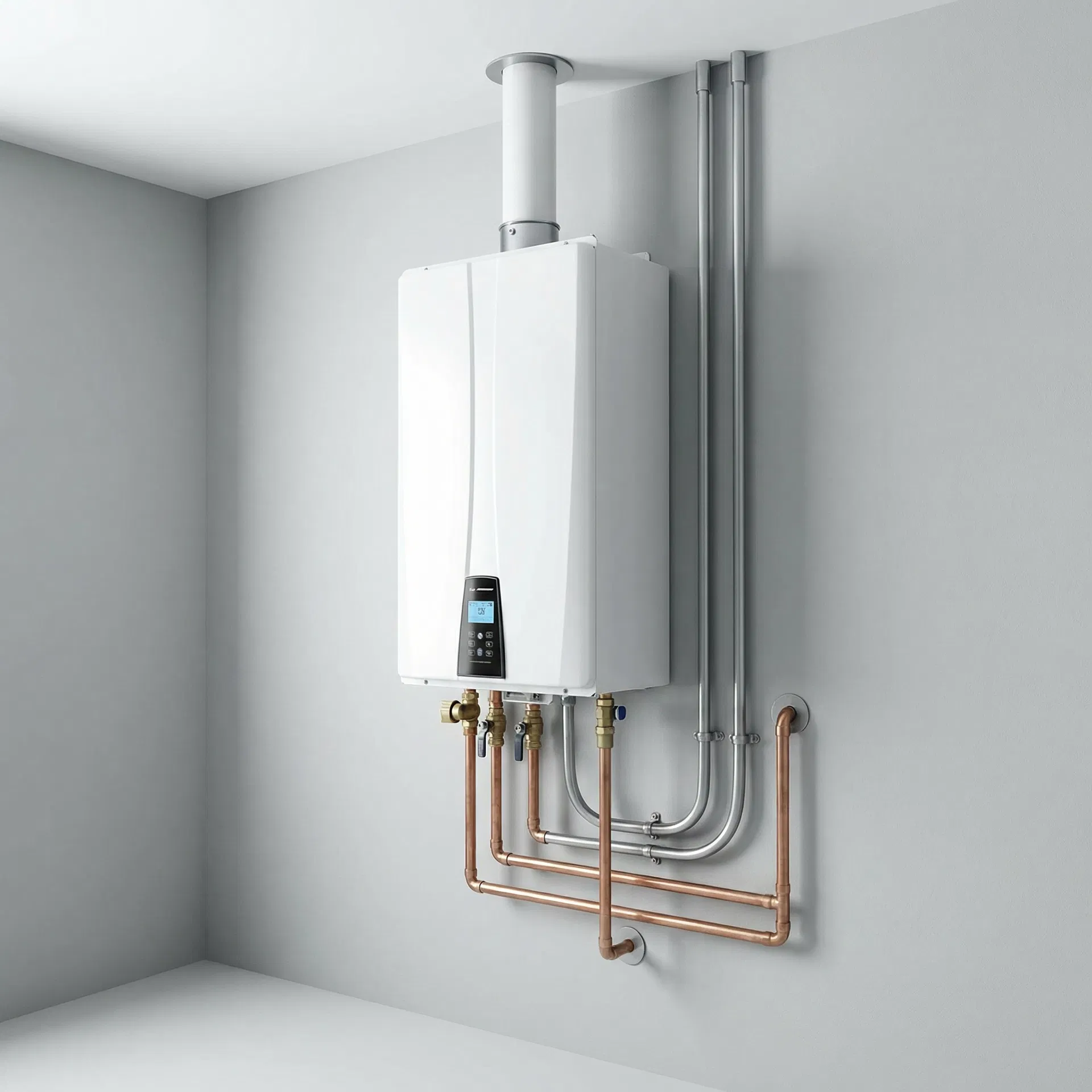
Proper water heater installation is a complex process that involves strict adherence to local building codes, precise calibration of safety features, and careful integration into your home's existing plumbing architecture. A professional installation includes:
- Thermal Expansion Management: Properly sizing and installing expansion tanks to absorb excess pressure, protecting the tank's internal glass lining from stress fractures.
- Venting Safety: Ensuring exhaust gases are drafted correctly to prevent dangerous carbon monoxide buildup in the home.
- Meticulous Connections: Using high-grade copper piping, secure dielectric unions to prevent galvanic corrosion at the connection points, and heavy-duty gas valves.
- Seismic Securing: Properly strapping the unit to meet strict California earthquake safety codes, ensuring the massive weight of the tank remains stable during a seismic event.
Doing the Job Right the First Time
Our methodology prevents future expenses by doing the job right the first time. A great example of this approach happened during a busy spring afternoon. A customer called us just 30 minutes before closing time with a failing water heater. Our technician, Anthony, answered the call and arrived promptly. Instead of rushing a sale, he took the time to educate the customer on the nuances of water heater mechanics and installation requirements without any pressure. By taking a meticulous, educational approach, we ensured the customer understood the value of the professional installation they were receiving.
Combining top-tier brass and magnesium components with expert, code-compliant installation is the only way to guarantee longevity. If you are looking for the best water heater company in Los Angeles, you need a team that refuses to compromise on either the equipment they supply or the craftsmanship they deliver.
Frequently Asked Questions
What is the difference between contractor grade and retail grade water heaters?
The primary difference lies in the quality of the internal components used during manufacturing. Contractor-grade water heaters feature heavy-duty parts like solid brass drain valves, thicker magnesium anode rods, and optimized heating elements. Retail-grade models use cheaper materials, such as plastic drain valves and thinner anode rods, to lower the price tag for big-box store shelves.
Why do plumbers not like store bought water heaters?
Professional plumbers dislike store-bought water heaters because the inferior internal components lead to premature failures and leaks. When a plumber installs a unit, their reputation and labor warranty are on the line. Plumbers refuse to install equipment that is engineered with plastic parts that are highly likely to break, seize, or rust out years before a professional model would.
Are plumbing supply water heaters better than hardware store models?
Yes, water heaters purchased directly from professional plumbing supply houses are significantly better than hardware store models. Supply houses stock contractor-grade units built with robust brass fittings and superior corrosion protection designed to meet the high standards of licensed professionals. Hardware store models are manufactured specifically to hit a low consumer price point, sacrificing internal durability to do so.
Do plumbers install customer supplied water heaters?
Most reputable plumbing companies refuse to install customer-supplied water heaters from retail stores. Because professionals cannot guarantee the quality, internal condition, or warranty support of a big-box store unit, they cannot confidently put their name on the installation. Supplying a professional-grade unit allows the contractor to ensure the homeowner receives a reliable, long-lasting system.
How does hard water affect cheap water heater components?
Hard water contains high levels of calcium and magnesium that aggressively attack cheap water heater components. The scale buildup quickly cements plastic drain valves shut, causing them to crack or snap when maintenance is attempted. Furthermore, hard water forces the thin anode rods found in cheap units to deplete rapidly, leaving the steel tank completely unprotected and vulnerable to rusting from the inside out.
Protecting Your Investment with the Right Equipment
Understanding why we refuse to install big-box store water heaters for our clients comes down to protecting your home and your wallet. By insisting on professional-grade units with solid brass valves and heavy-duty anode rods, we ensure you receive a system built for long-term reliability. If you are ready for a transparent, high-quality installation that will stand the test of time, reach out to our team to schedule your professional consultation today.
About the Author

Anthony Hamilton
Co-Founder & CEO, THE Water Heater Company
Co-Founder and CEO of THE Water Heater Company, a water heater specialty company built on one clear mission: to be THE trusted name in water heating across Southern California.
Our story started with a simple idea: combine industry-leading expertise with a passion for people. Today, that idea has grown into a company recognized as Your Trusted Water Heater Authority, serving homeowners across Los Angeles, Ventura, Orange County, and Santa Barbara with unmatched quality, care, and transparency.
We believe excellence is not an act. It is a habit. Every member of our team lives by our Core Values: People First, Genuine Care, Raise the Bar, Total Transparency, and Better Every Day.
As a leader, I am driven by growth: of people, of teams, and of impact. My role is to create clarity, alignment, and opportunity so great people can do their best work and live their best lives.
Keep Reading
Related Articles


Ready for hot water?
Ready to Get Started?
Whether you need a repair, maintenance, or new installation — our experts are here to help.