The Definitive Guide to Earthquake Valve Benefits
Understanding the Earthquake Shut-Off Valve and How It Works
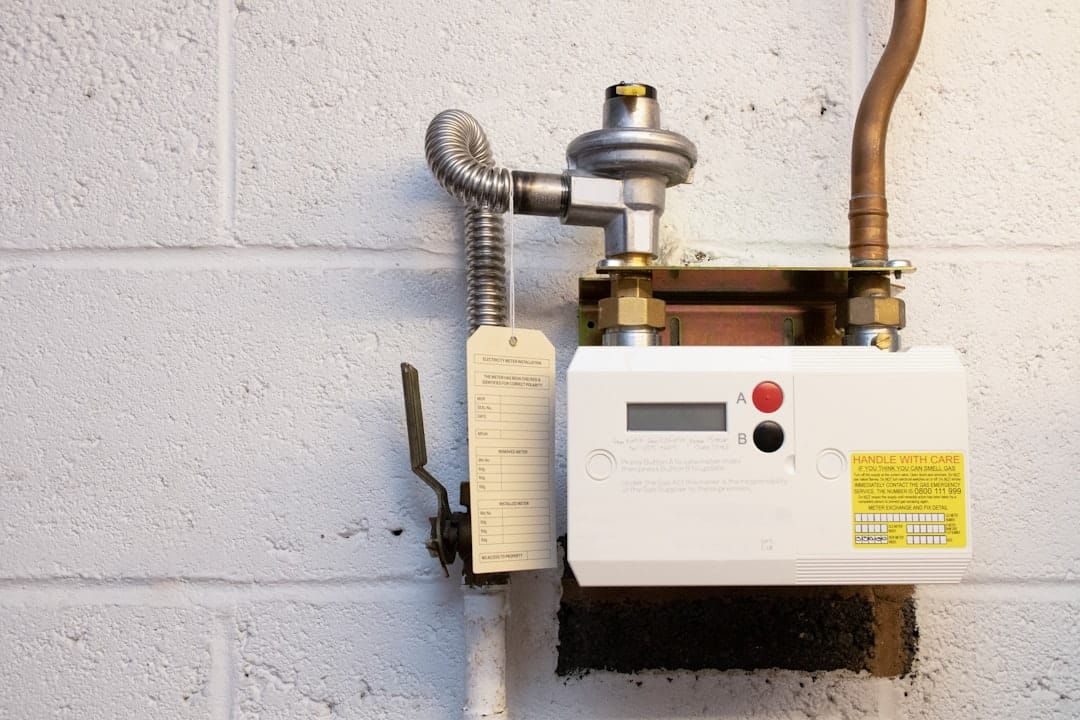
A seismic shut-off valve is a specialized safety device installed on your home’s main gas line, typically located right at the meter. Its primary job is to act as a sentinel, monitoring ground movement and snapping into action when it detects significant seismic activity. But how does it know the difference between a passing heavy truck and a real earthquake?
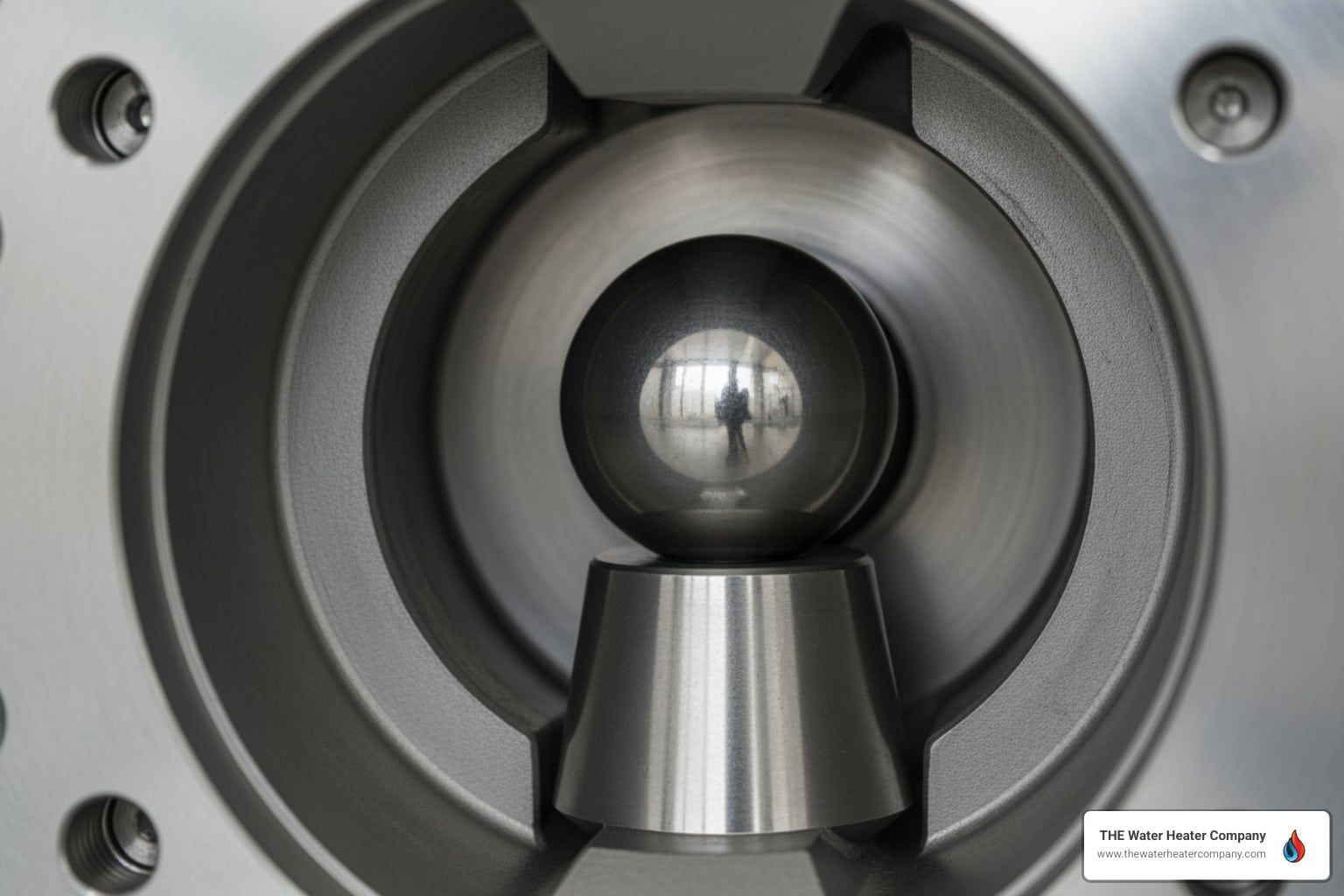
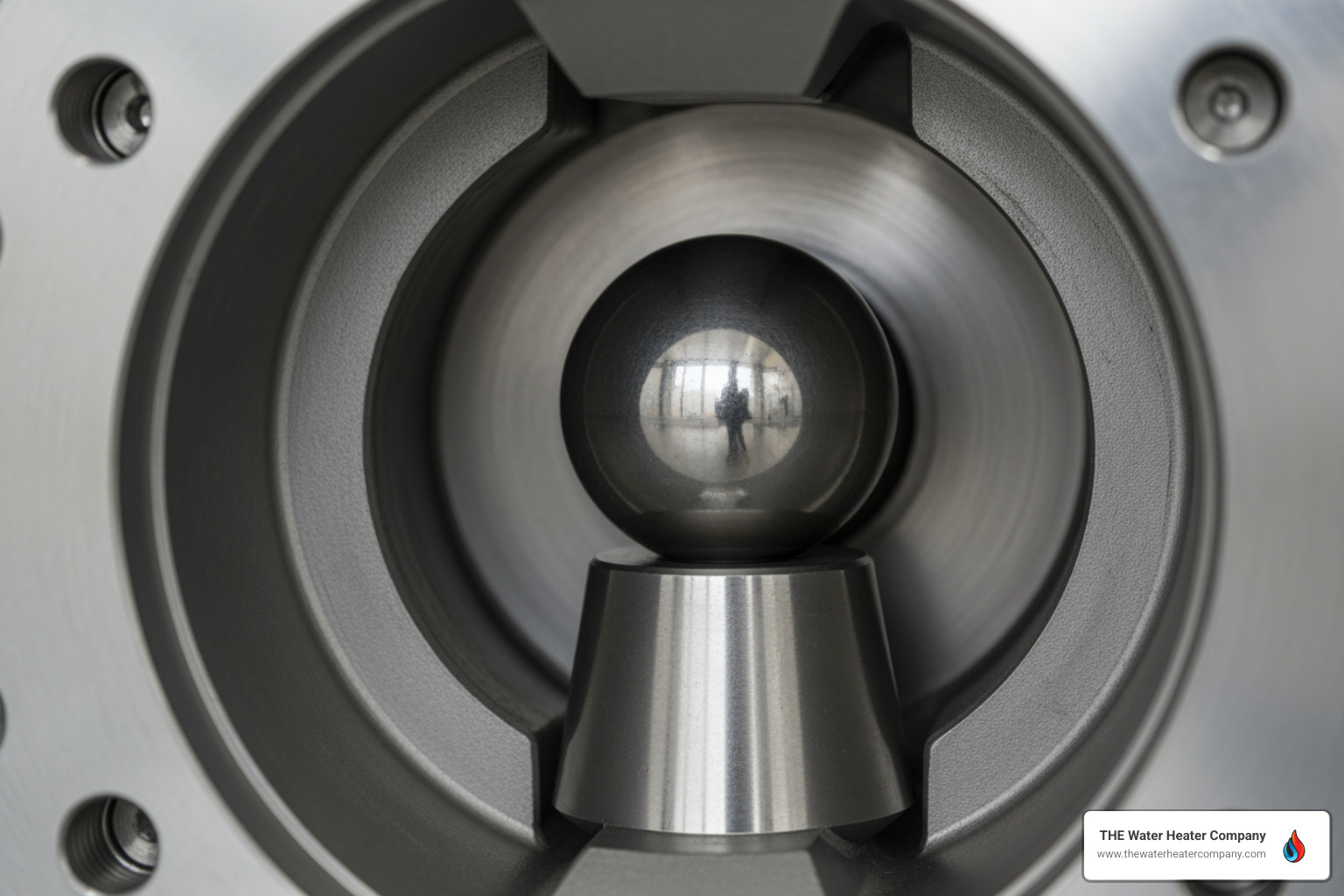
These devices are engineered with precision motion sensors. Most residential models utilize a sophisticated ball-and-socket mechanism. Inside the valve, a stainless steel ball sits perched on a small pedestal. When the ground shakes with enough force—specifically reaching a threshold of approximately 5.4 on the Richter scale—the ball is dislodged from its seat. It then drops into the throat of the gas line, instantly blocking the flow of fuel into your home.
This automatic trigger is crucial. In the moments following a major quake, your focus will be on the safety of your family, not running outside with a wrench to find the gas meter. By the time you realize a pipe might have cracked behind a wall or near your water heater, the valve has already secured the system.
We often recommend Earthquake Valves that meet the ASCE 25-16 standard, which is the industry gold standard for earthquake-actuated automatic gas shut-off systems. This ensures the device is calibrated correctly to avoid “nuisance trips” from minor vibrations while remaining sensitive enough to protect you when it truly matters.
Top Earthquake Valve Benefits for Homeowners in Southern California
Living in a beautiful coastal city like Santa Barbara or a bustling community like Pasadena comes with a known trade-off: we live in “earthquake country.” The primary earthquake valve benefits for homeowners center on one thing—mitigating catastrophe.
While the shaking itself causes structural damage, it is often the aftermath that proves most destructive. According to the Earthquake Country Alliance, one in four fires after an earthquake is linked to natural gas leaks. When gas lines rupture inside a home, the gas can accumulate in crawlspaces, attics, or behind walls. A single spark from a frayed wire or a pilot light can lead to a devastating explosion.
By installing a seismic valve, you are addressing the three biggest risks:
- Fire Prevention: No fuel means no fire. By cutting the gas at the source (the meter), you prevent a small leak from turning into an inferno.
- Explosion Risk: Ruptured lines can fill a home with gas in minutes. Automatic shut-off removes the human error factor from the equation.
- Secondary Damage Mitigation: Even if a fire doesn’t start, a gas leak can lead to toxic inhalation risks or require expensive, extensive repairs to your home’s infrastructure.
Our comprehensive Services include assessing your gas line’s integrity to ensure that your valve is positioned perfectly to protect your specific property layout. Whether you are in a modern condo in Irvine or a historic home in Santa Clarita, this small device serves as your first line of defense.

Maximizing Earthquake Valve Benefits for Homeowners Through Insurance Discounts
Beyond the physical safety of your home, there is a distinct financial advantage to being prepared. The insurance market in California has become increasingly complex, with some major providers even pausing new policies in recent years due to the high cost of natural disasters.
One of the often-overlooked earthquake valve benefits for homeowners is the potential for premium reductions. Many insurance companies recognize that a home equipped with an automatic shut-off valve is a much lower risk for fire and total loss. Some providers offer discounts of up to 25% on the earthquake portion of a homeowner’s policy when a certified valve is installed.
By proactively retrofitting your home, you demonstrate to your insurer that you are taking risk mitigation seriously. This can help with:
- Lowering Monthly Costs: Those savings add up over the life of your homeownership.
- Policy Eligibility: In some high-risk zones, having a valve may even be a requirement for securing certain types of coverage.
- Compliance: Meeting local safety standards often makes the claims process smoother should you ever need to use your insurance.
Long-Term Earthquake Valve Benefits for Homeowners and Peace of Mind
At THE Water Heater Company, we talk to families every day who are worried about “The Big One.” The psychological benefit of knowing your home has an automated safety system is priceless.
When you choose to work with us, you aren’t just getting a piece of hardware; you’re getting the assurance that comes with Why Choose Us. We understand the local geography—from the fault lines running through the San Fernando Valley to the seismic risks in Orange County.
Having a valve means that during the frantic minutes of an actual earthquake, you have one less thing to panic about. You don’t have to wonder if you smelled gas or if you should leave your family to go find a wrench in the dark. The valve has already done its job, preserving your assets and, more importantly, your peace of mind.
Legal Requirements and Retrofitting Older Homes in Pasadena and Irvine
Is it a choice or a requirement? The answer depends on where you live. While there is no blanket statewide law in California that mandates every single existing home must have a valve, many local municipalities have taken the lead.
For example, the City of Los Angeles has some of the strictest requirements in the country. Generally, a seismic gas shut-off valve is required in LA if:
- The building is new construction.
- You are performing significant renovations (typically valued over a certain dollar amount).
- The property is being sold.
In cities like Pasadena and Irvine, building codes are constantly evolving to reflect new seismic data. Even if it isn’t strictly required for your specific home today, it often becomes a requirement during a Water Heater Replacement. When we install a new tank or tankless system, we ensure that the entire gas delivery system meets current safety standards and ASCE 25-16 compliance.
Comparing Seismic Valves vs. Excess Flow Valves
It is important to understand that not all “safety valves” are the same. Here is a quick breakdown:
| Feature | Seismic Shut-Off Valve | Excess Flow Valve (EFV) |
|---|---|---|
| Trigger | Ground shaking (approx. 5.4 magnitude) | Sudden surge in gas flow (leak/rupture) |
| Primary Goal | Stop gas during an earthquake | Stop gas if a pipe breaks |
| Mechanism | Motion-sensing ball or pendulum | Pressure-sensing internal diaphragm |
| Location | At the gas meter | Usually at the service line connection |
| California Code | Mandated by many SoCal cities | Federally required for most new homes |
For the ultimate protection, many homeowners choose to have both. This ensures that whether the line is damaged by a quake or an accidental strike during landscaping, the gas will stop flowing immediately.
Professional Installation and Post-Seismic Reset Procedures
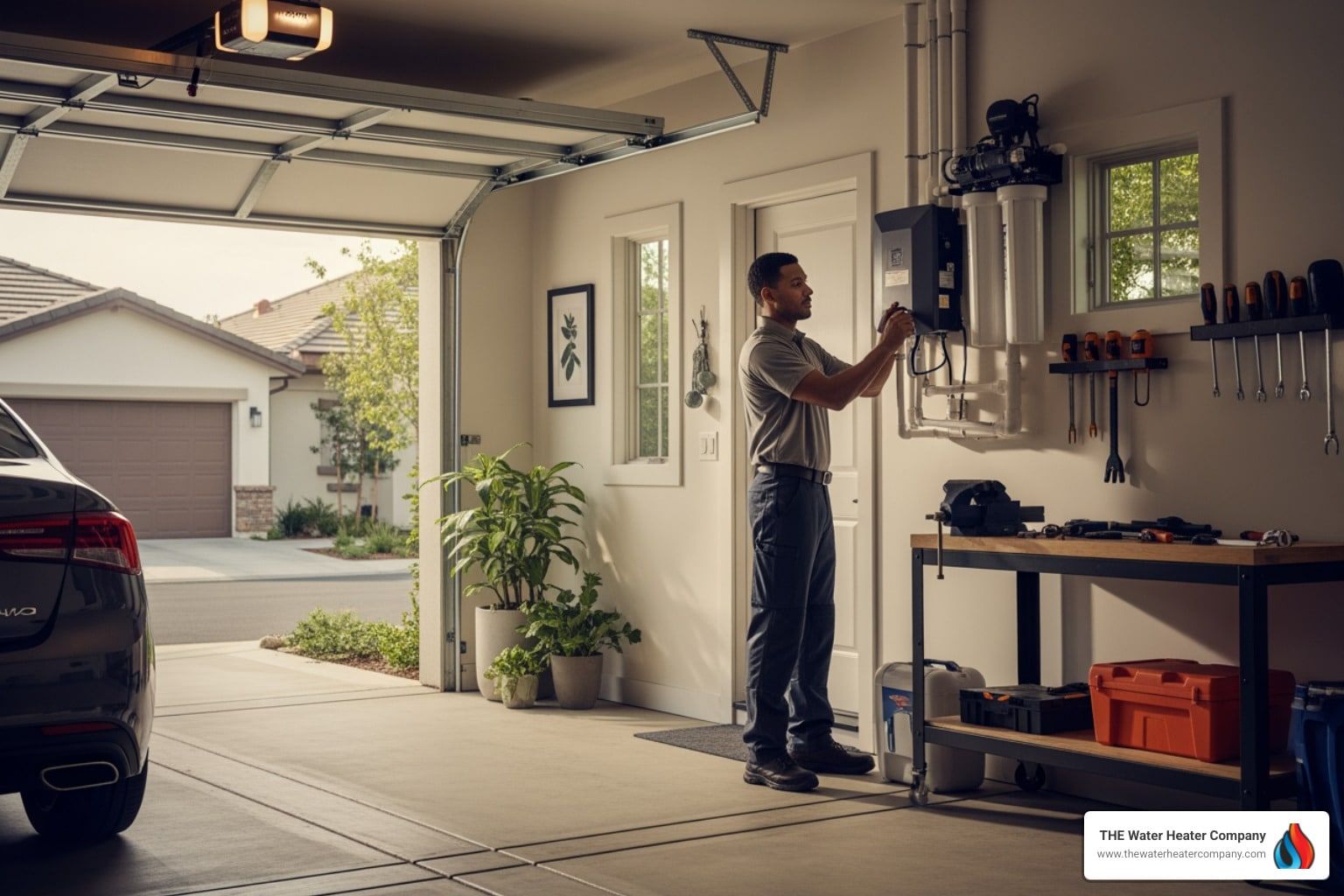
We cannot stress this enough: Never attempt to install an earthquake valve yourself. Working with gas lines is inherently dangerous and requires a licensed professional. A valve that is installed incorrectly or is not perfectly level may fail to activate during a quake—or worse, it could cause a gas leak itself.
Our technicians specialize in Water Heater Repair and gas line safety. When we install a valve, we ensure it is properly braced. If a valve isn’t braced correctly, it might wobble and trip during a minor bump, leaving you without hot water or cooking gas unnecessarily.
What Happens After the Shaking Stops?
If an earthquake occurs and your valve activates, the gas to your home will be cut off. You will know it has triggered if your gas appliances (like your stove or water heater) stop working.
Most valves have an indicator window:
- Green or Silver: The valve is open and gas is flowing.
- Red: The valve is closed and the gas has been shut off.
How to Reset:
- Safety First: Do not attempt to reset the valve if you smell gas. If you smell that “rotten egg” odor, evacuate immediately and call the gas company.
- Inspection: A professional should inspect your gas lines for leaks before the system is turned back on.
- The Reset Screw: Most valves feature a reset screw that requires a specific tool or a large flat-head screwdriver. It usually involves a quarter-turn until the indicator changes back to green.
- Relighting Pilots: Once the gas is back on, all pilot lights on older water heaters or furnaces must be safely relit.
Frequently Asked Questions about Seismic Safety
Are earthquake valves required by law in California?
While there isn’t a single statewide law for all existing homes, many local jurisdictions (like the City of Los Angeles) require them for new construction, major retrofits, or at the time of property sale. Always check with your local building department or a trusted plumber to see if your specific address falls under a mandate.
How do I reset my valve after an earthquake?
After a quake, check the indicator on the valve. If it is red, the gas is off. We strongly recommend having a professional perform a leak test before resetting. Once cleared, the reset screw can be turned to restore flow. You will also need to relight any pilot lights in your home.
Can I install an earthquake valve myself?
No. In almost all Southern California jurisdictions, a permit is required for gas line modifications, and the work must be performed by a licensed professional. Improper installation can lead to gas leaks, fire hazards, or the valve failing to work when you need it most.
Conclusion
The earthquake valve benefits for homeowners in Southern California are clear: they save lives, protect property, and provide a much-needed layer of automation in a crisis. Whether you are looking to comply with local laws in Los Angeles or simply want to ensure your family in Santa Ana or Van Nuys is safe, a seismic shut-off valve is a smart, one-time investment.
At THE Water Heater Company, we are proud to be your local experts in seismic safety and gas-related services. From Pasadena to Irvine and everywhere in between, our family-owned business is dedicated to keeping your home running safely. Don’t wait for the next tremor to think about your gas lines. Protect your home with professional Earthquake Valves by reaching out to our expert team today.